acid reflects

mostly a review site.

  • Just came from the local press screening of Johannes Roberts’ thriller Primate and I enjoyed it a lot! Top marks in all aspects behind its filmmaking. Review next week.  In Philippine cinemas January 21st.

  • (SPOILER WARNING: Slightly spoilerish review. Will avoid major spoilers.)

    Somewhere out there is the GenX god constantly feeding us GenXers with nostalgia content that it seems GenX is ruling pop culture at the moment. I mean, the recently-concluded Stranger Things may have been created by elder Millennials, but the mega-popular show was definitely a love letter to GenX. While 28 Years Later: The Bone Temple is not a show about GenX, music from ’80s English pop rock band Duran Duran figure prominently in a few moments that express the soul of the film and that of its main character, Dr Kelson (Ralph Fiennes.)

    In the next chapter of Alex Garland’s post-zombiepocalypse series, Spike (Alfie Williams) has inadvertently joined the Jimmys, a satanist cult that believes it must cleanse the world of non-believers, violently and without mercy if they so fit. The group is led by Sir Jimmy Crystal (Jack O’Connell) who believes he is the son of the devil that must rule the world. The rest of his followers are all called Jimmy, too. In a bloody ritual soon after he is rescued by the Jimmys in the previous movie, Spike gets folded into the team whether he wants it or not.

    Spike is in a bind as he obviously doesn’t want to participate in the Jimmys’ freewheeling murderous methodologies to forcibly recruit more Jimmys to the cult or else suffer some extremely brutal and lethal punishments. One Jimmy, Jimmy Ink (Erin Kellyman) seems to understand how Spike is feeling. But she is a firm believer in Jimmy Crystal’s twisted teachings that she advises Spike to just follow along.

    Little does Spike know that the home the Jimmys are currently hijacking is near Dr. Kelson’s Bone Temple established in the previous film.

    Combining whatever knowledge of chemistry and medicine he can obtain from memory or the books he has gathered throughout the years since the Rage Virus pandemic, Dr. Kelson believes that he can reverse the effects of the virus and end the infection. He spends days in his underground shelter studying for a cure, or sometimes just lies down after clearing his nearby surroundings of the dead and infected, adding bones to his temple, while listening to old records by Duran Duran. To find a cure, he would need a lab rat, an infected to test his theories on. And no better specimen than the alpha himself, Samson (Chi Lewis-Parry) who happens to come by near Kelson’s hill.

    The gigantic infected alpha Samson has taken an interest in Dr. Kelson. Or more to the point: an addiction to whatever concoction Kelson put on his darts to immobilize infecteds – so potent that his darts could immobilize the powerfully built alpha, who normally rips out the heads of his victims – spine and all – with his bare hands. During these lull moments, Kelson is able to approach Samson and observe him closely. Except for that time that Kelson interacted with Spike and his mother in the previous film, Kelson has found an audience with Samson, literally and figuratively speaking.

    It is during one of these interactions that Jimmy Ink catches Kelson interacting with Samson at a distance. Red skinned from convering his body with iodine to repel the virus, the doctor dances to the tune of Duran Duran’s Rio as Samson idly sits on the hillside, dazed from the drugs in Kelson’s darts. Jimmy Ink, interpreting this satanic vision as prophetic, reports the sight as well as the bone totems to Sir Jimmy. Spike, who deduces that Jimmy Ink has seen the doctor, plans to escape the next morning to warn the doctor.

    A lot more happens in the film after this, but it would be spoiler to go through them all.

    The choice to interject key scenes of the film with Duran duran songs is interesting at the least. It establishes that Kelson is at least a GenXer, if not a late Boomer. While the dance to the tune of Rio is a little jarring, possibly intentionally comical, the cinematic effect is profound. Kelson, sentient and fully human, sings and dances to art while a lumbering infected giant sits by seemingly with no awareness to self or surroundings.

    But the scene that highlights Kelson’s thesis for a cure to the disease and a longing for the return to a civilized world was scored with the song Ordinary World. Juxtaposed with depictions of Samson’s consciousness, the sequence creates a sweeping dirge about memory that calls back to our humanity and the hunger to reconnect with other humans in those memories. It’s a very apt choice of scoring.

    Apparently some people in the audience is distracted by Samson’s healthy appendage that makes full frontal appearance several times in the movie, but I was a little more distracted by Spike’s limited emotional range (not sure if this was intentional from the young Williams or a direction from the filmmakers.) From the traumatic events of the first film to the harrowing scenes in the second film, Spike looks like either he hasn’t collected his wits to adapt with speed to the violence in the mainland, or he is simply reacting WITH the audience, representing the audiences’ constant shock from all that happens. It is likely the second, but I can’t be sure. This isn’t a question on Williams’ talent, more of a question on the choices made by the filmmakers to portray Spike as such.

    Apart from this, the film’s young new director Nia DaCosta looks to have a promising career, as the film carries along with equal parts plotting and character journey. Although the story is mostly plot to bridge the events in the previous film that established what happened to the world 28 years after the infection, going to the events that are to be in the final installment of 28 Years After that will surely circle back to the characters in the first film. Just enough shock and gore for the genre, just enough emotional beats for the characters to play human. This second film is more ponderous than emotional. It wonders whether a cure is possible after twenty eight years – but more importantly, it asks whether those cured can regain their humanity. This isn’t a novel idea but at least adds layers to the original story of the Rage Virus. In 2013, Warm Bodies, though a comedy, explored whether a zombie can regain humanity through love. The heavier theme of the fallout should hordes of former infected can reintegrate into society has been explored in The Cured (2017.) I wonder how the final installment intends to end the story of the Rage Virus.

    I wouldn’t know what would happen to the cult in the next film. There seems to be a finality to the cult in this installment, but I have to admit it is open ended. Sir Jimmy served as that sample of humans who would watch the town burn to make himself king of the ashes. O’Connell does Sir Jimmy quite well, balancing restrained menace with some comical airheadedness and occasional charm that is wont of cult leaders. He wouldn’t have had followers if he didn’t sound convincing, would he? The talented Mr. O’Connell is also in Sinners, I almost didn’t remember.

    Overall, The Bone Temple is an applause-worthy crowd pleaser despite being less emotionally-charged as the previous installments. Ralph Fiennes gives a bloody memorable performance worthy to be listed among his most iconic roles.

    The final part of this trilogy has been green lit, and judging from these two installments. the finale is to be anticipated.

    Oh, and stay during the credits, no spoilers please.

    28 Years Later; The Bone Temple is out in Philippine cinemas now, January 14 2026 from Columbia Pictures Philippines. Images and links from Columbia Pictures.

  • Teaser Trailer for One Piece: Rise of the Baroques released

    NETFLIX debuts the official Rise of the Baroques teaser trailer of ONE PIECE: Into The Grand Line

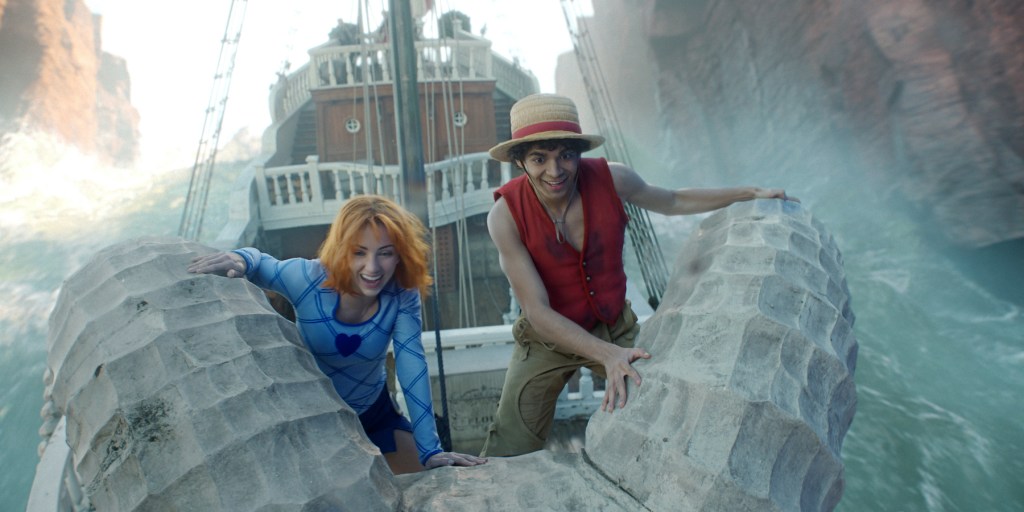
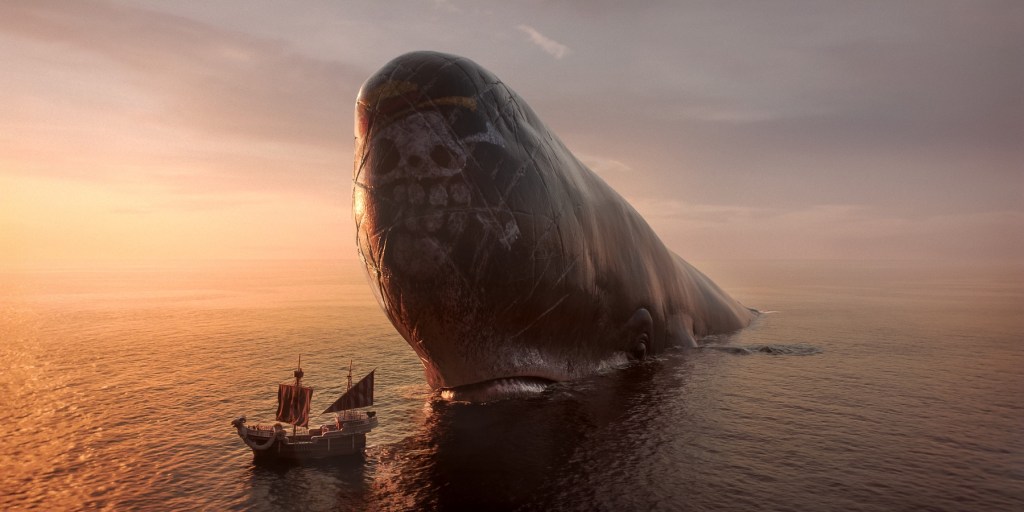
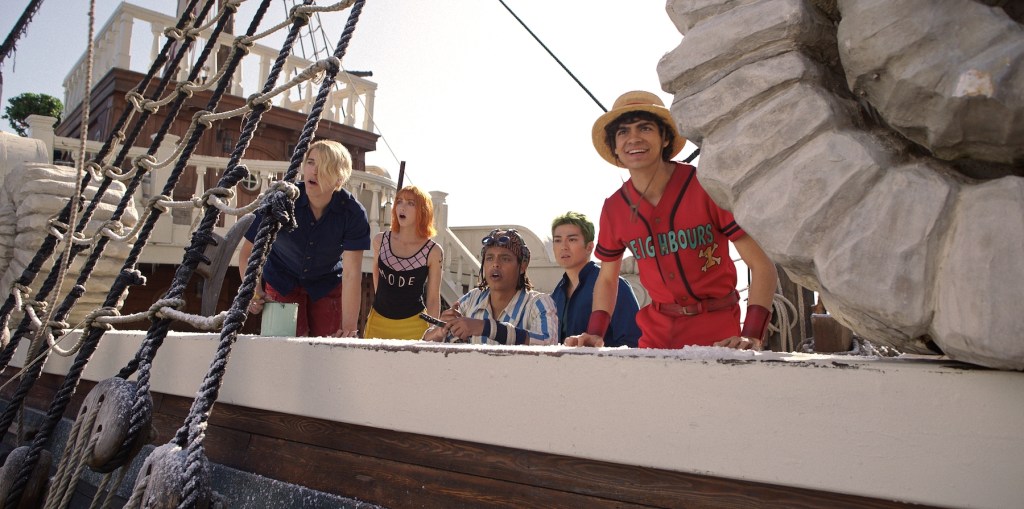
    The Straw Hat crew is back, and they’re about to meet new faces and face new villains as they continue their journey the high seas to find the most coveted treasure. ONE PIECE: Into The Grand Line premieres March 10th only on Netflix.

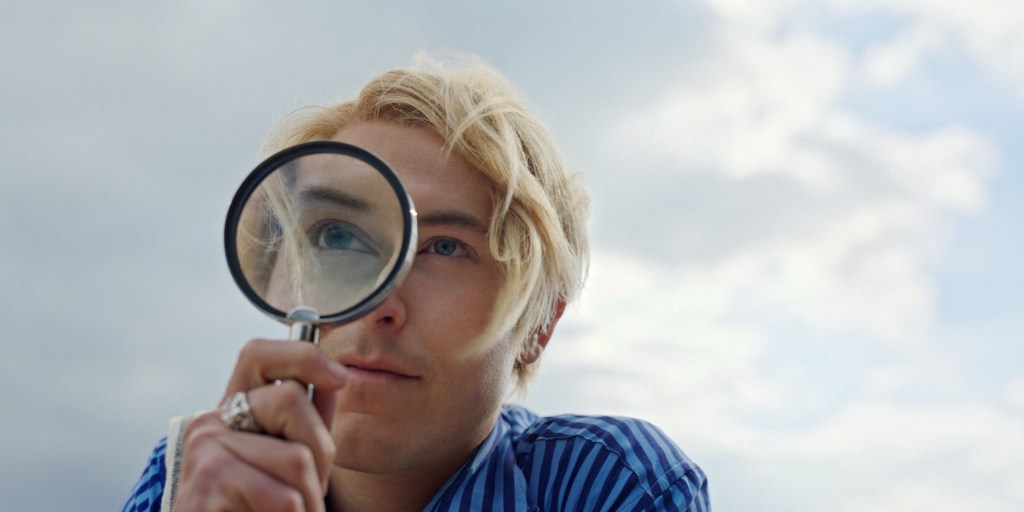
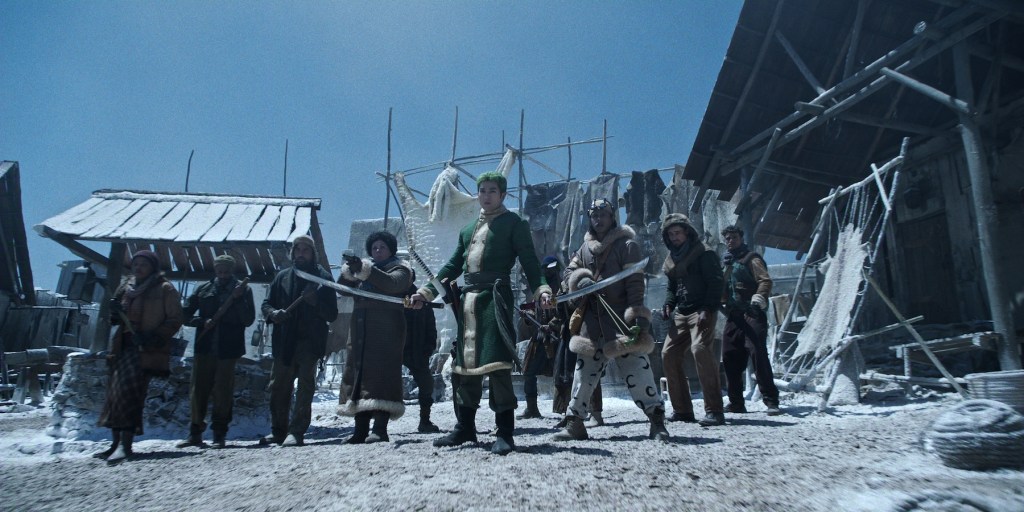
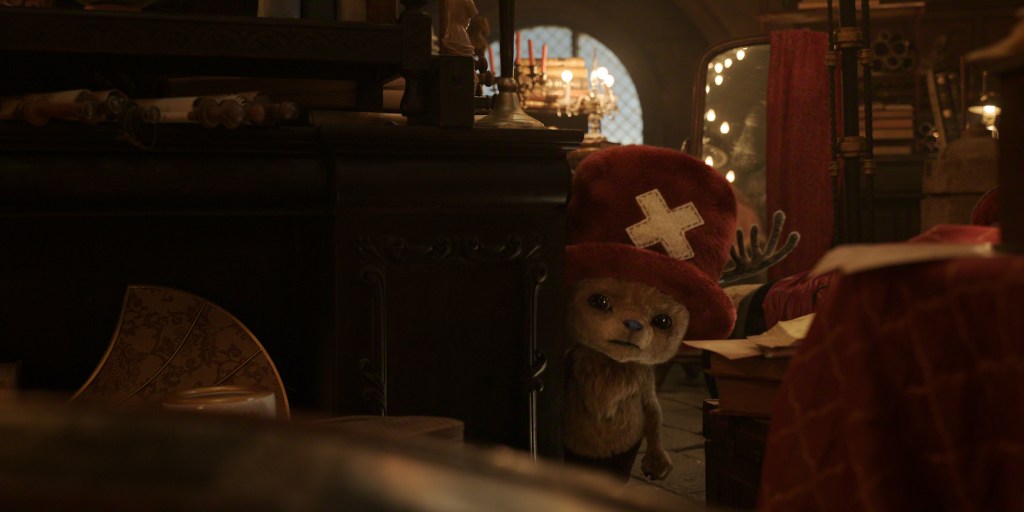
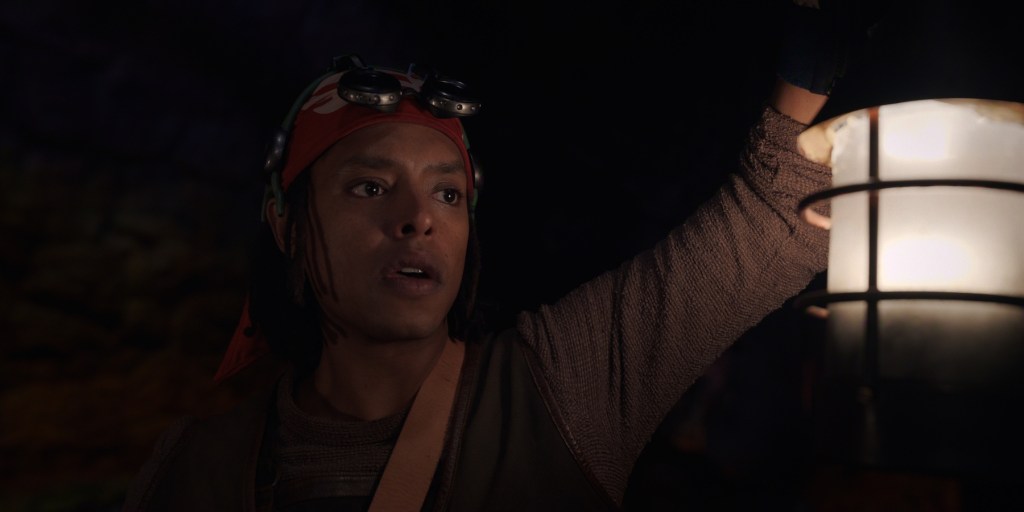
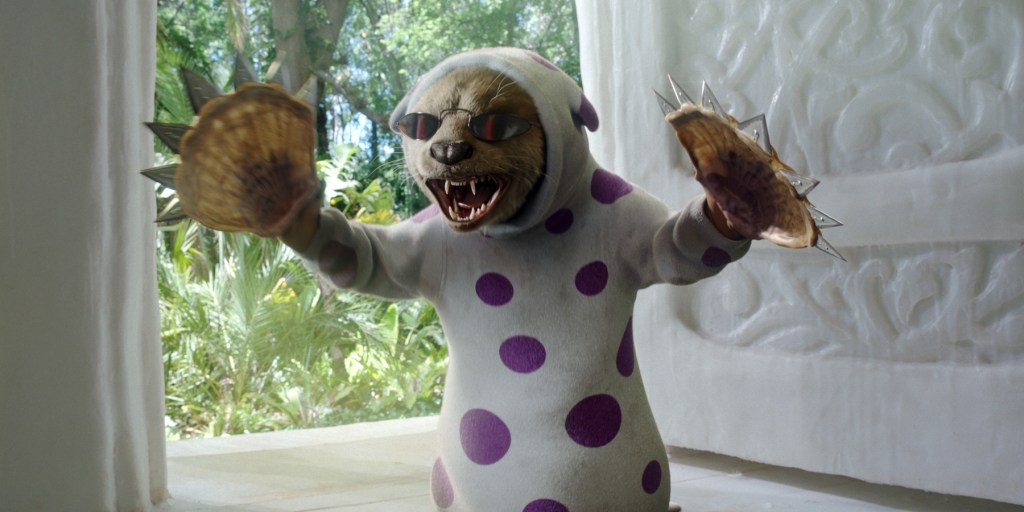
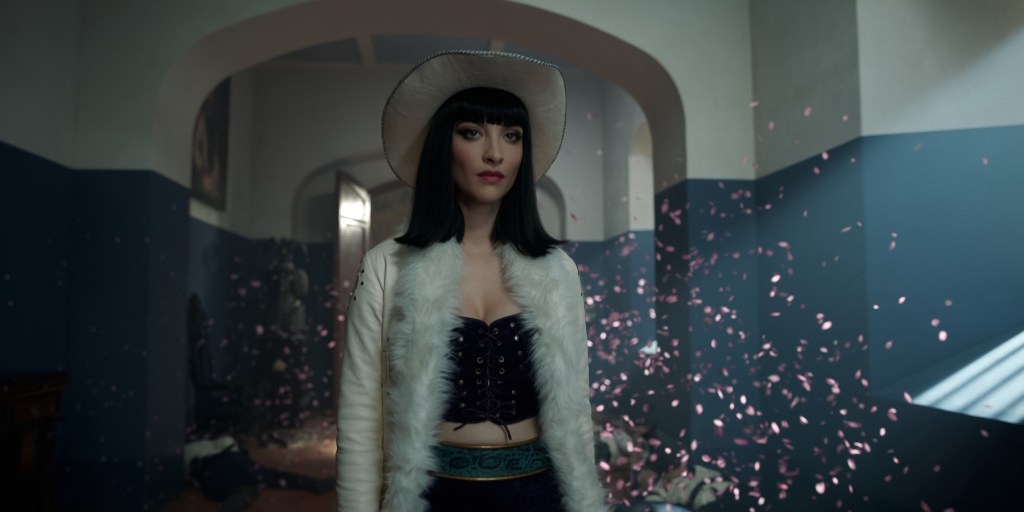
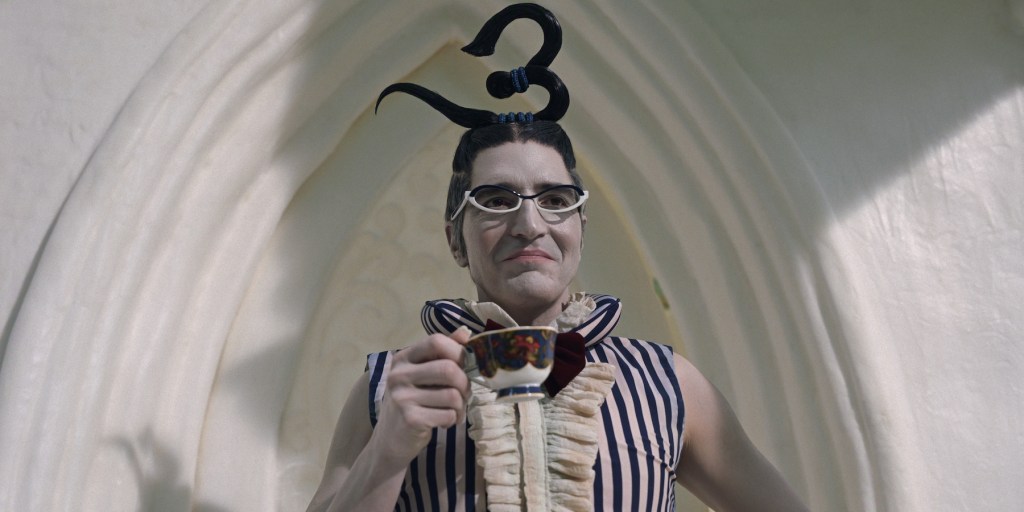
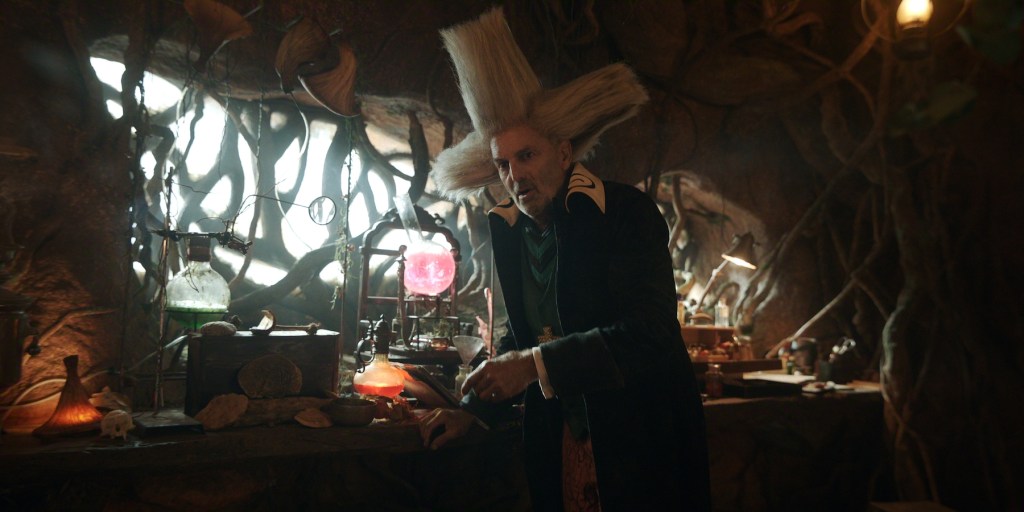
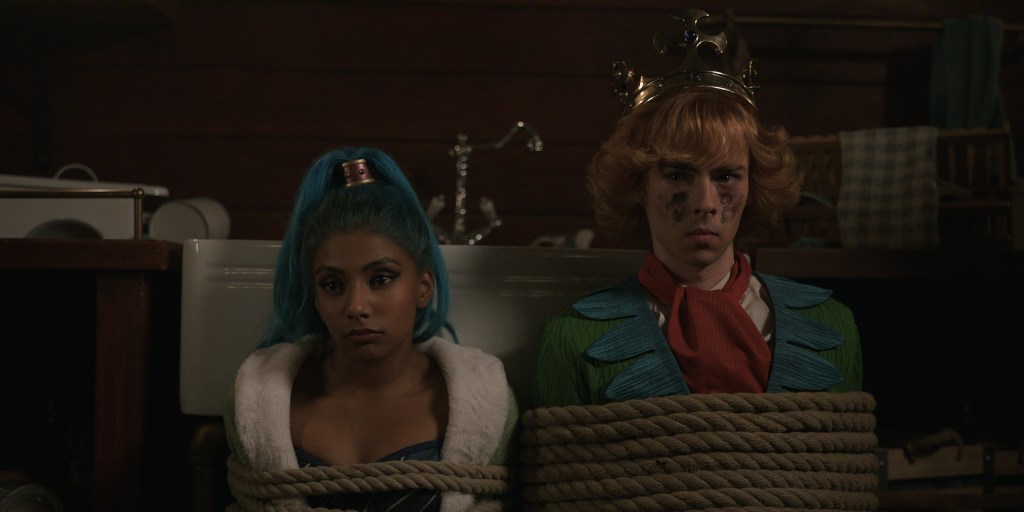
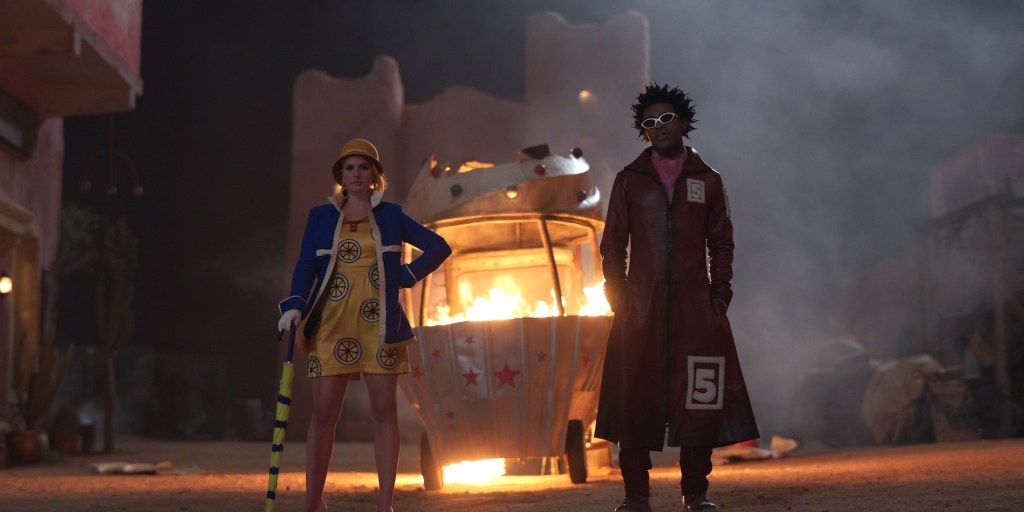
    Netflix has revealed the official “Rise Of The Baroques” teaser for ONE PIECE: Into the Grand Line, teasing the dangerous and formidable secret society of assassins: Baroque Works. The series stars Iñaki GodoyMackenyuTaz SkylarEmily Rudd, and Jacob Romero.

    GET READY TO MEET THE BIGGER, BADDER VILLAINS OF SEASON 2:

    • Charithra Chandran will play Miss Wednesday
    • Lera Abova will play Miss All-Sunday
    • David Dastmalchian will play Mr. 3
    • Camrus Johnson will play  Mr. 5
    • Jazzara Jaslyn will play Miss Valentine
    • Daniel Lasker will play Mr. 9
    • Sophia Anne Caruso will play Miss Goldenweek

    Netflix’s epic high-seas pirate adventure, ONE PIECE, returns for Season 2 — unleashing fiercer adversaries and the most perilous quests yet. Luffy and the Straw Hats set sail for the extraordinary Grand Line — a legendary stretch of sea where danger and wonder await at every turn. As they journey through this unpredictable realm in search of the world’s greatest treasure, they’ll encounter bizarre islands and a host of formidable new enemies. ONE PIECE is a live-action pirate adventure created in partnership with Shueisha and produced by Tomorrow Studios (an ITV Studios partner) and Netflix.

    ONE PIECE: Into The Grand Line Sets Sail on March 10, 2026.

    (This is a press release from Netflix. Link and images courtesy of Netflix Ph)

    January 13, 2025

  • Not a B+ wedding video

    Nobody was asking for a soul-ripping, mind-numbing, transcedental meditation when the idea to rehash (not remake, not reboot) the 1997 cult classic Anaconda into a comedy was pitched to Sony. Maybe. I don’t know, I’m guessing. Because somebody probably saiid, “We don’t have an IP outside Spider-Man.” The pitch was a comedic reincarnation with Jack Black in charge of the laughs. The risks were low for this production. So now we have this. Thankfully, Jack Black’s comedic talent was unharmed during the making of this meta comedy.

    In this comedy about making movies, longtime friends Doug (Jack Black) and Griff (Paul Rudd) are both having their midlife crises. Doug is a wedding video maker who isn’t challenged by the tricks of his trade anymore, while Griff is a screen bit player who isn’t booking the gigs he would like to (maybe because he’s a terrible actor.) Over a lunch reunion, Griff sells the idea to reboot their favorite movie Anaconda to Doug and the rest of their former teen filmmaking gang – Claire (Thandiwe Newton) and Kennie (Steve Zahn). At first, Doug resists the suggestion. But a reality check at work pushes Doug to get that production ball rolling with the help of his buddies. This is all amusing to me as a fomer wedding video editor and indie filmmaker myself. I have notes on Doug’s, uhm, methodologies.

    After successfully securing some money to finance their Hollywood fantasy (or big home movie, whichever way you can put it) the gang arrives in the Amazon (somehwere in Brazil.) They meet thier quirky snake wrangler Santiago (Selton Mello) who would also serve as their guide. They meet the boat captain Ana (Daniela Melchior) who, unbeknownst to the gang, isn’t really the boat’s captain. Mysterious Ana has a secret, but for the moment, nothing is revealed except that she seems to be running away from suspicious-looking men (the film actually opens with Ana and another mysterious man escaping from the suspicious men.)

    For the filmmaker in me, things were indicating that Doug’s tiny skeleton crew is not going to be an efficient production. First, Kennie the camera guy wasn’t even shooting B-roll footage the moment they set foot on the Amazon, considering it’s their first time there. Also, this bit would suggest that Doug isn’t a good editor either. The port, the actual river – Kenny wasn’t shooting these, which would have been good atmospheric cutaways for their not-so-home movie. And they’re recording sound in-camera which is terrible for dialogue. But who knows? The end result might’ve surprised. It was an indie. Anyways, back to THEM.

    The gang actually immediately does film scenes between the “stars” Claire and Griff on their first day, complete with behind the scenes footage – and whatever they were making actually sounded like it was campy fun. Recently-divorced Claire and unmarried Griff were conveniently rekindling the closeness they had back when they were teens. the If only the movie I was watching was as campy fun as the movie they were making.

    Trouble begins when Hector, Santiago’s pet baby anaconda and their movie’s stunt animal is accidentally killed while filming a scene with Griff. Griff blurts out a question which I thought was strange to ask, considering the circumstances. The delivery was somewhat funny, but I wondered if Rudd wondered about the significance of the line during their actual filming, since it did sound misplaced. Actors can do that in shoots, you know.

    That night, Santiago and Griff venture out into the jungle as the crew rested, moored on the side of the great river. Tragically, Santiago will not return to the boat that night. The alerted crew including Ana all enter the jungle in search of Santiago, but instead come across the suspicious men that were hunting for Ana and the giant anaconda that has been following them around for a while. The crew narrowly escapes both the men and the anaconda, using an abandoned van that happened to be there in the jungle.

    The next morning, Doug is inspired to imake changes in their movie, including Ana in the cast since she displayed skills in action and fighting off the suspicious men. This is such an indie move, considering that they don’t have a snake in their movie but an actual one that might kill them is out there prowling. Griff is miffed that his starring role is getting sidetracked by an ass-kicking beautiful Brazilian (in real life, Melchior is Portuguese.) While this is going on, a big boat carrying a large film crew reveals the true status of their film license. Doug and Griff argue, shattering their decades-long friendship. Griff leaves on a rubber boat. (I am impressed by this bravado from Griff, considering the expanse of the great river that they have never laid eyes upon before, Anacondas and piranhas be damned. Maybe Piranhas would be the sequel?)

    As soon as Griff has left, Ana commandeers the crew into the jungle again and reveals her true intentions and why she his being followed by suspicious men. Griff returns just in time to rescue his friends, but not after the giant anaconda takes out the bad people. The crew scrambles across the Amazon jungle to escape the giant snake, but conveniently find themselves in an abandoned film set (the big production they previously met along the river), seemingly wrecked by the anaconda days before. Doug and the crew make a last stand against the giant snake in the set, using their knowledge of filmmaking to outwit the anaconda.

    It’s a wild ride that on paper would have sounded like a fun misadventure that would have been a welcome antidote to the darkness poisoning the real world at this time in history. This Anaconda just doesn’t land well quite often. That said, at no point did I want to quit the film entirely and walk out. I’ll give it that.

    Key to this is yes, Black’s gusto attack to make Doug a character you’d watch to the end. Black has played a filmmaker before in Peter Jackson’s King Kong twenty years ago but back then, he was playing a financially desperate filmmaker (okay maybe it is the same character in Anaconda but less ruthless and less talented storyteller.) Maybe a little of the banter between Black and Rudd was entertaining, their characters actually feeling like they have known each other for very long. But sometimes I felt that Rudd was hamming it a few notches lower than Black – maybe to complement Black’s Doug but a few times felt that energy was different. Chemistry is crucial for movie tandems and here, they were good for about 95% of the time. Newton was hamming it up easily, while I wasn’t sure about Zahn’s Kennie. Who could have served the story a bit more with the possiblity of more laughs was Mello’s Santiago. I wanted more Santiago punchlines, so I was enjoying his comedy a bit more than the rest of the cast except Black.

    What to me was a missed opportunity by this reimagining of the 1997 movie was for the gang’s adventure in the Amazon to have more suave callbacks to their teenage passion project monster movie The Quatch. For the audience, that would have meant a little more footage of The Quatch to show. Indeed, I hoped that the end credits had shown the entire short film as treat. (SPOILER ALERT) The epilogue that showed that Doug eventually made Griff and Claire’s wedding video felt like a rushed way to bring Doug’s life full circle.

    There have been many films about filmmaking – many of them more serious in topic or treatment than this comedy that frequently referenced the real 1997 movie, its cast and its studio but never crossed the threshold of being satirical. I don’t know if that would have elicited more laughter from the audience. Maybe it could also be cultural – that some jokes are funnier to USians than to non-American audience members like myself. Maybe it could have been a different movie had the makers added satirical commentary. That’s not the film here, but it definitely was suggesting things.

    For all the big ideas this movie had when it was just being pitched, the end result was a film that was full of set ups that only had missing or small payoffs.

    Anaconda is in Philippine theaters now from Columbia Pictures Philippines. (Images and links from Columbia Pictures)

  • No tragedy in Scarlet

    I certainly wasn’t expecting a story about life and death as my first review after recent events in the family.

    For the past few weeks, I had been grieving, along with the rest of the family, for the loss of our mother and one of our siblings whom we both lost only two weeks apart. So it was a bit of a surprise and a pinch that Mamoru Hosoda’s latest project felt to me more about a rumination on life and death rather than a tale of revenge and forgiveness as was the film’s Shakesperean inspiration, Hamlet.

    The film begins in the Otherworld – that space between life and death that is also beyond time – as a grown Scarlet (VA Mana Ashida) struggles to break free from the grasp of a hundred hands of death, vowing to exact revenge for her slain father, whether she does it alive or in the afterlife.

    Rewind back to medieval Denmark where this tale begins, where beloved king Amlet (VA Masachika Ichimura) is killed by henchmen after a coup by his own brother, Claudius (VO Koji Yakusho) and the queen (VA Yuki Saito), who were having an affair. Scarlet, the only royal child, is spared (for whatever reason) – but the young princess promises herself to avenge her father.

    After some years of combat training, she makes an attempt to slay her father’s murderer at a banquet. Her naivete getting the best of her, Claudius points out, as Scarlet falls from a poisoned drink. Which brings us to the beginning of the film.

    Scarlet breaks free the hellish hands grasping at her, and begins to search for a way to go back to her kingdom – only to be told by other souls that her uncle, too, has died, but is building his own kingdom in the Otherworld. She ventures off to find Cladius’s otherworldiy stronghold, occasionally fighting off his soldiers one by one. Quite soon along the way, she meets a curious young man who introduces himself as a paramedic. Hijiri (VA Masaki Okada) doesn’t believe he is dead since his purpose is to heal the wounded. They make an odd couple crossing vast distances together, often disagreeing that their pursuits to peace were completely opposite from each other. One believes that revenge will grant her soul peace, the other believes that acceptance of others grants peace.

    One night as they camp out together with a diverse collective of travelers, Scarlet sees a vision of an alternate life of happiness set in Hijiri’s time. When she wakes from this vision, she asks Hijiri if she could have lived differently (from a life built on revenge) had she been born at a different time. This line hit me, as it reminded me of my brother’s unfinished life that was cut too soon. I wondered if he could have lived a fulfilled life had he been born at a different time and place, a better one than what he was given in this universe.

    When Scarlet and Hijiri do reach Claudius’ stronghold, it’s a mad dash towards the gates of paradise along with hundreds of thousands of other souls gathered at the foot of Claudius’s castle. The narrative takes a chaotic spin from this point onwards. Scarlet meets Claudius at the gates to paradise, and the two spar with sharpened voices – conscience versus purpose, anger versus understanding, revenge versus destiny. Ultimately, the roar of the draconian universe metes its thunderous justice after Scarlet disowns the hatred inside her. This film preaches peace at a time (whether in Scarlet’s or ours) when uncertainty and disasters spell war and suffering, and forgiveness as the path towards enlightenment.

    I have a disagreement with this worldview. I dare not say that this path has no merit, but in today’s time when tyranny and fascism are spreading across the world, seeking accountability is the just way for peace, There can’t be forgiveness without acknowledgment and repentance.

    Denmark, Amlet, Gertrude, Claudius, “frailty, thy name is woman” – quick-eared fans and students of the Bard can easily recognize the reference to Shakespeare’s Hamlet – although the source material hits harder with darker scenarios of revenge, conspiracy, insanity, and death.

    Hosoda takes a different path for his version of Hamlet – one that involves a journey through the underworld as a path towards salvation (or resurrection. Hosoda often merges various themes in his adaptations, either to sublimate or alter the text of the source, as in the case of his most recent before Scarlet, Belle (2021.)

    Belle was a loose musical adaptation of Beauty and The Beast – replete with a version of the infamous 3D ballroom dance that wowed audiences of the Disney animation and a public storming of the castle led by a misguided, haughty soldier not too different from the Disney Gaston. But Hosoda’s tale provoked questions on identity and truth at a time of digital (artificial) personas. His Belle was the story of a young student who could only find acceptance as a beautiful singing avatar in a digital universe – not so different from the virtual worlds that we today populate. As a side story, Belle even took a shallow dip into the world of child abuse and parental overreach – hot topics even in today’s still-patriarchal Japan.

    Scarlet, by journeying through the underworld, questions life and death with religious undertones. Can we truly rework our karma if reincarnation is granted? As this question crossed my mind, I wondered if my mother’s and brother’s souls would be granted new, more fulfilled lives than what they had gone through, no matter how much love our family (thinks) had showered their way, considering all circumstances.

    It’s not an accident that Hosoda presents a diverse population of cultures in this version of purgatory, even including a musical number involving Pacific islanders (not sure if Hawaiian.) Hosoda wants to ask (naively, to me at least) a universal question: is the pursuit of peace (internal or wartime) attainable through forgiveness? It sounds like a Bhuddist question, even though forgiveness is central in Christian belief. Not a surprise, again, as the name Hijiri – that person in the story that constantly tames Scarlet’s anger – simultaneously translates from Japanese to healer, a holy man, (and the symbol) to the Christian Bible. Minus this exploration, Scarlet’s revenge plot comes off as a thin storyline.

    From an animation perspective, Hosoda has mastered the merging of 2D hand drawn images with the 3D movements of CGI, something he has been doing since his most famous piece, The Girl Who Leapt Through TIme (Toki o kakeru shôjo) in 2006. Artwork and lighting swing from painterly lush to stunningly realist, but the magic is when the camera moves to add dimension to these images. Two sequences are particularly impressive: an action-packed sword fight while mounted on horses, and that tropical paradise of thick jungle leading to the heavenly gate. The fight scene impressed in how the camerawork made the hand-drawn elements move in a virtual 3D environment, the jungle impressed by sheer photorealism.

    As a side note, Hosoda often gives his characters wide-eyed, open-mouthed, jaw-dropped expressions multiple times in one movie. Scarlet and Hijiri did this a couple of times; Makoto (in The Girl Who Leapt Through Time) did, Suzu and several side characters did this in Belle; Hana did this a lot in Wolf Children (2012.) Maybe this is Hosoda’s way to indicate how the world is often full of surprise. Or maybe the expression just happens to occur very often, as his stories always include a twist or two.

    Another curiosity: in a sea of character realism, Scarlet’s head and face is designed to subscribe to anime conventions: that is, her face is shaped like that of a cat. The rest of the charaters in the film have a realist shape to them (the only other possible exceptions are the faces of the random girl and the Mystrious Old Woman narrator.) Not fond of the musical scoring, as I find (personally) Hosoda’s films just a tad too overscored. Maybe it’s just a sound mixing thing.

    Stunning visuals, deep story from Mamoru Hosoda. But the revenge story may be too dark for most audiences (but shouldn’t be a problem with regular anime fans.)

    Scarlet is showing exclusively in SM Cinemas now from Columbia Pictures Philippines.

    (Images and trailer link from Columbia Pics Ph)

  • Kiss the Oscar goodbye

    Sorry, Jlo. This is not your ticket to the Oscars.

    The latest version of the acclaimed novel Kiss of the Spider Woman would sit well as a streaming weekend special at home. It’s not big enough to warrant a premium screen, but good enough for the couch. No Oscars for this musical, either.

    Director Bill Condon (Chicago, Dreamgirls, Gods and Monsters) teamed up with acclaimed writer Terrence McNally (RIP+) to adapt the award-winning 1976 novel by Argentine playwright Manuel Puig and the 1990s West End and Broadway stage musical (John Kander music, Fred Ebb lyrics) to the big screen. The result is… okay.

    The stage is small and the screen is small in Condon’s adaptation of the story of two prisoners in 1970s Argentina who form a bond through fantasies of Hollywood musicals. (The 1985 film is set in Brazil.)

    SLIGHT SPOILERS AHEAD for those unfamiliar with the stage musical, the novel source material, and/or the 1985 dramatic film directed by Hector Babenco.

    Luis Molina (Tonatiuh), a gay window dresser convicted of public indecency, is thrown into the prison cell occupied by political activist Valentin Arregui (Diego Luna).

    At first, Valentin is curious about Molina’s incarceration, but finds the chatty Molina interruptive of his daily scholarly routine. There is a short discussion about the fascism that has engulfed the country, juxtaposing political struggles against Valentin’s gender struggles. Yes, the source material is political.

    To escape prison hardships, Molina tells Valentin, he surrenders to fantasy and relives the movies of his favorite film star, Aurora (Jennifer Lopez), in particular, Kiss of the Spider Woman, where Aurora plays the lead role as well as the titular vampiric main villain, whose cursed kiss brings death to the characters of that movie. The Marxist Valentin couldn’t relate to this fantasy and even suggests that Molina should reclaim his manhood. A truce is temporarily declared, and the two spend the night silently in their beds.

    The next day, and in the course of several days, Valentin is taken from his cell and tortured by the prison guards for information on the rebels. At this point, I am reminded of Luna’s more significant and recent project as another rebel from far, far away, so I wonder if Luna was typecast for Spider Woman. Each time Valentin is returned to the cell, Molina tends to his wounds and helps him recover. In those instances, Molina, at the request of Valentin, would continue the tale of Aurora and her battle to defeat the Spider Woman. Eventually, Valentin welcomes the stories as the prison abuse gets worse by the day. Molina would gladly oblige, in part to drown out the screams from prisoners in other cells, in part because he has seen Valentin suffer for his beliefs, not too different from his own struggles. Thus, a bond is established between the two, based on the tale of this superstar and her poisonous twin.

    In truth, however, Molina was planted by the prison warden to spy on Valentin, on the promise of immediate parole so Molina could return to his sick mother. Valentin never finds out about this, except on Molina’s parole day, when the warden suddenly decides to free Molina. Believing that the two have grown close enough for Valentin to plant information to Molina, the warden signs off on Molina’s parole but puts a watch on him. Before Molina could leave Valentin, he finishes Aurora’s tale, and the two consummate their found affection. Unfortunately, it’s not a happy ending for Molina.

    Over the course of this review, you may have noticed that the summary revolved around Valentin and Molina, and hardly any mention of Aurora or the Spider Woman. In fact, the story does revolve around Molina even more than Valentin. Which is to say, Aurora, as a device, served to propel Molina’s and Valentin’s developing bond with each other, as well as the device that visualized Molina’s emotional journey.

    In other words, Lopez, no matter how good her singing and dancing were, was playing a fictional character in a movie musical within a movie, and her portrayals of both the diva actress and the spider woman were limited to mimicking how the actors acted onscreen during that era of Hollywood musicals. Was it good? Yes. Was it great? No. By default, the actual story was not Aurora in her fictional world, but Molina in his prison cell. With some luck, this film could snag a support nomination for JLo in the Globes, under Comedy/Musical. The Oscars don’t have that category, and Aurora isn’t compelling enough to stand out.

    Similarly, Condon’s stagey adaptation of the prison, the prison cell, and the fictional world of Aurora are too small for today’s 4K audience. Except for the few exteriors of the prison yard and of downtown Buenos Aires, most everything looked flat. felt small or sounded as if the songs were one note shy of being a showstopper. Big or small, there were no wow scenes, no Cell Block Tango from Chicago, or no emotional highlight like the Waltz for Evita and Che (there were attempts, though, towards Spider Woman’s end, but clearly far from the calibre of those two other musicals.)

    In hindsight, casting Spider Woman was already handicapped with a star such as Jennifer Lopez on board. Could not cast a lead actor bigger in the marquee than JLo, yet required enough gravitas for the role that won William Hurt (RIP) an Oscar in 1986. Tonatiuh gave this his all, but somehow, those imaginary scenes with Aurora may have influenced face acting occasionally displayed throughout the film. Luna may have been cast for awards legitimacy, but like I said, this is Molina’s story. But really, Andor, again?

    There is one musical number that I think soared. It is when the Spider Woman visits Molina in his dream and tempts him to take the kiss to end his suffering. I believe the song is A Visit.

    Maybe there are fans of the musical out there who would enjoy the film a lot more than I did. I’m quite certain, though, that no spider woman will be visiting me in my dreams after this review.

    Kiss of the Spider Woman was brought to Philippine theaters exclusively by Ayala Malls Cinemas starting October 15.

  • Three films from today’s Pelikula/Pelicula (24th Manila Spanish Film Festival) Maratón:

    El 47 (The 47), a heartfelt and quite moving dramatization of how a bus driver’s actions changed not only his town in the boondocks of Barcelona but the country of Spain in 1975. Loved it. ;

    Tasio, the raw (by raw I mean unembellished) story of a man and his determination to preserve a dying way of life in the mountains. Very evocative of the era (mid-1980s) it was from. Reminiscent of our own classics at the time.

    Lastly, Solos En La Noche (Alone in the Night) was the dud of the day; a feeble attempt at a comedy of Shakespearean errors, as insufferable as the insufferable, pushover of a main character among revolutionaries who decide to hide together one night during the fascist takeover of the Spanish parliament in 1981. Started out strong, but ultimately Meh.

  • (Netflix) Frankenstein is revealed

    FRANKENSTEIN’S CREATURE REVEAL ART AND TRAILER

    Frankenstein, a film directed by Guillermo del Toro and starring Oscar Isaac, Jacob Elordi, Mia Goth, and Christoph Waltz, is set to arrive on Netflix on November 7.

    Oscar®-winning director Guillermo del Toro adapts Mary Shelley’s classic tale of Victor Frankenstein, a brilliant but egotistical scientist who brings a creature to life in a monstrous experiment that ultimately leads to the undoing of both the creator and his tragic creation.

    Read everything you need to know about Frankenstein on TUDUM;

    For additional information about the production, kindly visit this link

    Image and links courtesy of Netflix.

    (This is a Netflix Press release)

  • What in the T is Typhoon Family?

    Netflix drops the trailer for its upcoming K-drama Typhoon Family starring Lee Jun-ho (of 2PM and King The Land).

    Set during the 1997 Asian financial crisis, a carefree son inherits his father’s struggling business, transforming from a wild youth to a rookie boss as he navigates the complexities of adulthood.

    Typhoon Family official poster

    Typhoon Family is coming on OCTOBER 11, ONLY ON NETFLIX

    (This is a Press Release)

  • Joe does the unthinkable (or at least a surprise twist to his character) in the penultimate episode of Season 1 of Alien Earth. Wendy obviously didn’t like what her “brother” did.

    How did you feel about the episode? I know this has made me pretty excited for the finale.