There is consensus among visitors of Japan that it is a wonderful place for tourists and travelers, but not an ideal place for gaijin (foreigner) to live in. More than just getting lost in translation, the Japanese are a homogenous society wtih an unease towards non-Japanese.
Phillip (Brendan Fraser) is such a sample. Even after staying in Japan for seven years and speaking generally fluent Nihongo, he barely has local friends and still gets stumped over local customs that he would have just encountered. Working on-and-off as an English tutor and a bit playing actor, Phillip goes from one racket to the next seemingly in a constant effort to get by. I kind of relate with him as a freelancer. But there’s one racket in particular that he is waiting for the news of – to join the regular cast of a Korean television series. For Phillip who has called the place his home, that would mean sayonara Japan.
A gig that asked for the services of a “sad American” introduces Phillip to Tada (Takerhiro Hira) who owns a rental family business that offers stand-in roles to people in need of specific company. Phillip is hesitant at first, and one of the actors in the agency, Aiko (Mari Yamamoto) is skeptical of Phillip’s commitment.
He almost flubs his first assignment, on account of the pretend groom (Phillip) getting the butterflies minutes into the ceremony to help a young woman (Yoshie, played by Misato Morita) “legally” be set free from her family. He thinks the lies will ruin the family, but Aiko smacks him into his practical senses.
Phillip pushes through with the grand traditional wedding (so elegant in traditional vestments and in a garden, to boot.) At the end of it, we get a glimpse of why the bride had to go through the charade, and Phillip gets a glimpse of why their service exists. The naturally charming, soft-spoken gaijin gets more assignments.
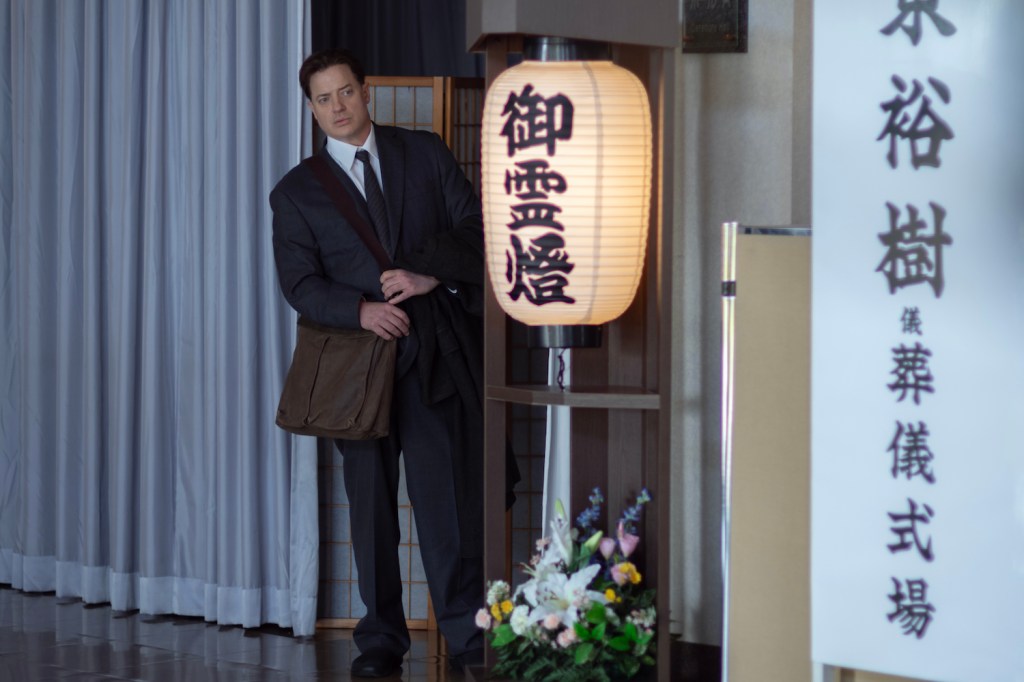
Brendan Fraser in RENTAL FAMILY. Photo by James Lisle/Searchlight Pictures. © 2025 Searchlight Pictures. All Rights Reserved. 
Misato Morita and Brendan Fraser in RENTAL FAMILY. Photo by James Lisle/Searchlight Pictures. © 2025 Searchlight Pictures. All Rights Reserved. 
Takehiro Hira, Mari Yamamoto, and Bun Kimura in RENTAL FAMILY. Photo by James Lisle/Searchlight Pictures. © 2025 Searchlight Pictures. All Rights Reserved. 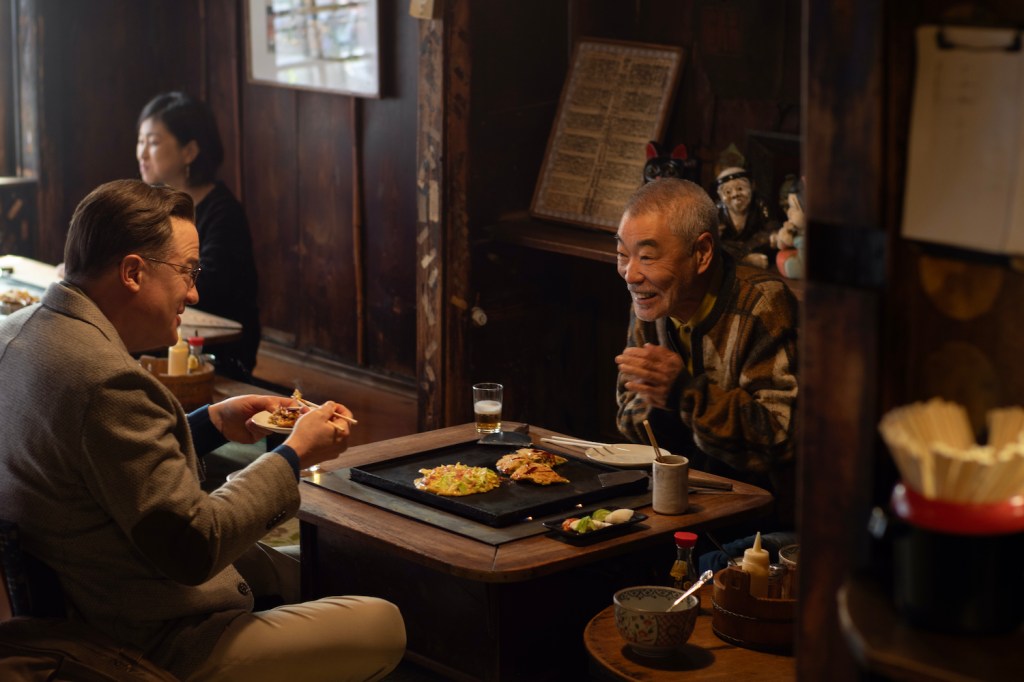
Brendan Fraser and Akira Emoto in RENTAL FAMILY. Photo by James Lisle/Searchlight Pictures. © 2025 Searchlight Pictures. All Rights Reserved. 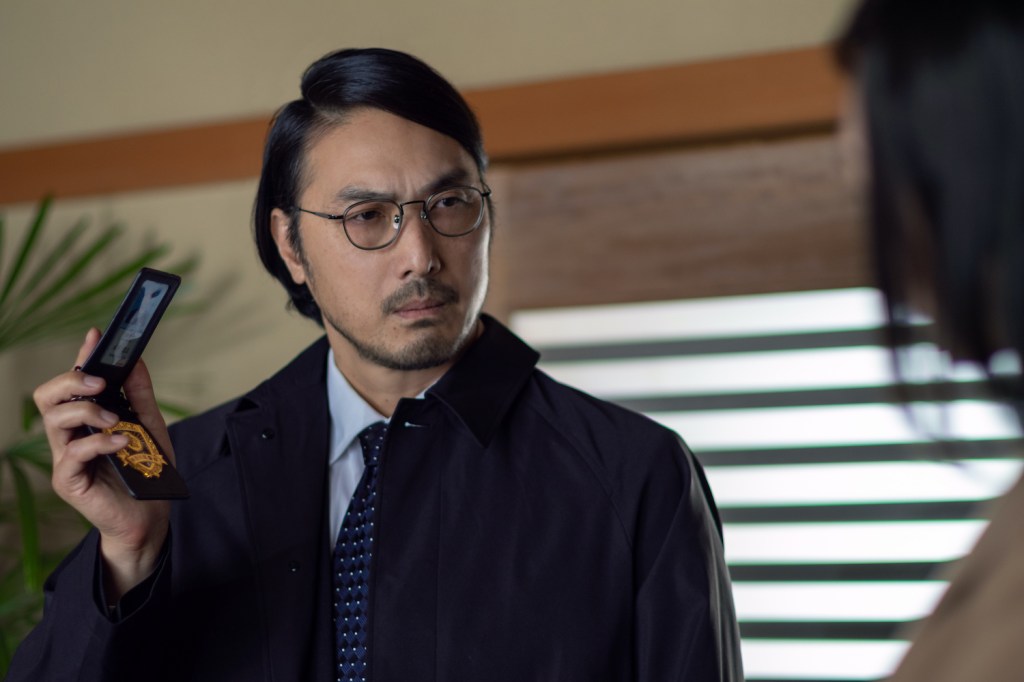
Takehiro Hira in RENTAL FAMILY. Photo by James Lisle/Searchlight Pictures. © 2025 Searchlight Pictures. All Rights Reserved. 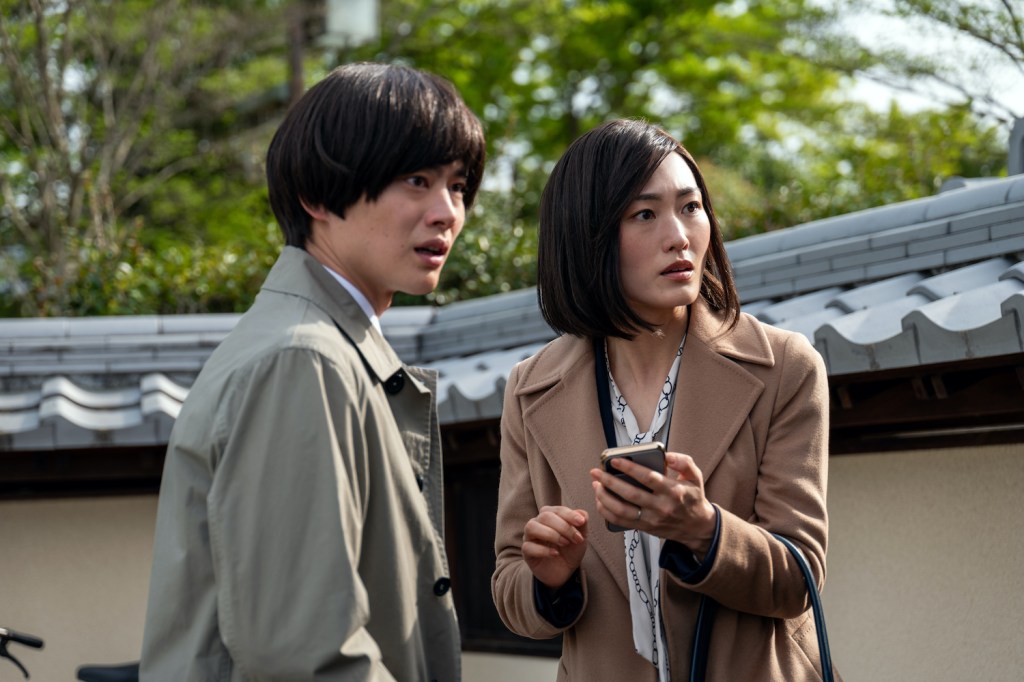
Bun Kimura and Mari Yamamoto in RENTAL FAMILY. Photo by James Lisle/Searchlight Pictures. © 2025 Searchlight Pictures. All Rights Reserved. 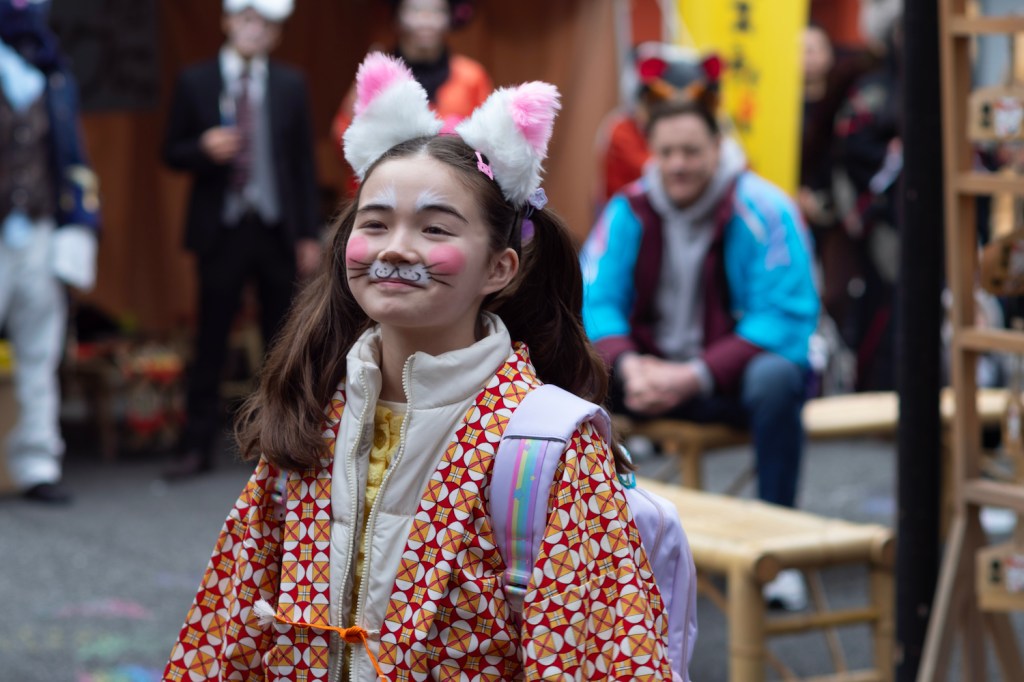
Shannon Gorman in RENTAL FAMILY. Photo by James Lisle/Searchlight Pictures. © 2025 Searchlight Pictures. All Rights Reserved. 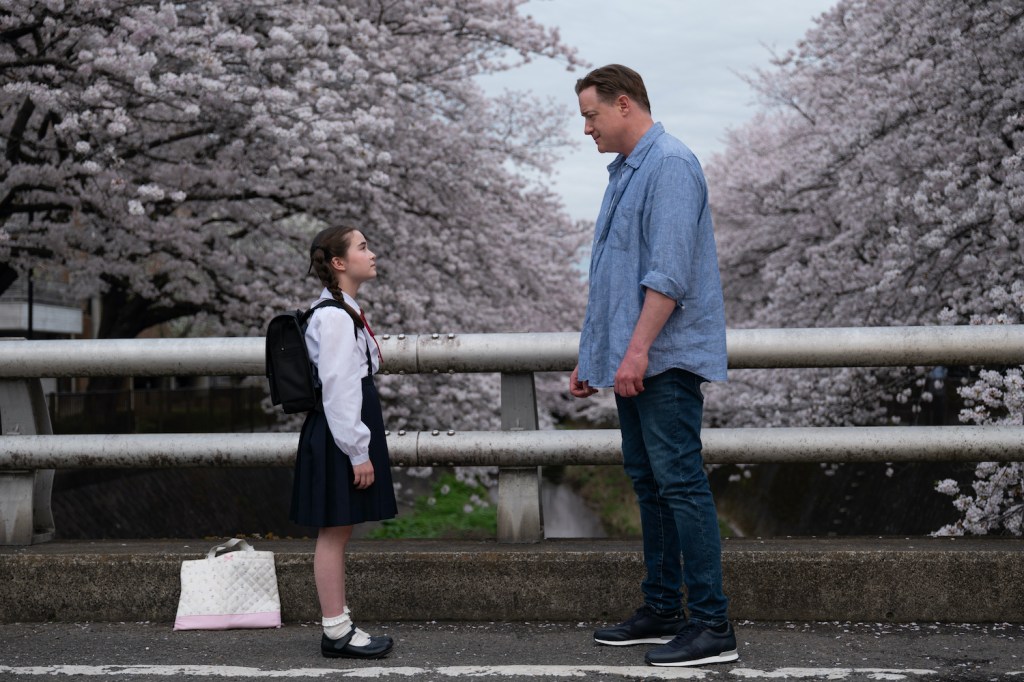
Shannon Gorman and Brendan Fraser in RENTAL FAMILY. Photo by James Lisle/Searchlight Pictures. © 2025 Searchlight Pictures. All Rights Reserved.
Phllip becomes the returning estranged father to Mia (Shannon Mahina Gorman), a journalist to hear the tales of Kikuo (Akira Emoto), the veteran screen actor whose memory is failing, a cheerleader in a karaoke party for mid aged woman, a video game buddy for a loner. In between these assignments, Phillip is shown enjoying himself, enjoying what he does, until it was obvious that the longer he interacted with his subjects, the more attached he became to them. Totally human, but crossed the agency rules of engagement. By this time, halfway into the movie, Phillip has been transformed from the timid gaijin who hardly interacted with any local at all into the bubbly gentle giant that’s friends with all around him. Not even the call to say that he got the acting gig in Korea would change his mind. This decision to stay would have repercussions (“consequences” sounds too harsh. It’s a Disney movie) that Phillip clearly wasn’t prepared for. Congratulations, Phillip, you are now a rental guy.
Rental Family is writer-director Hikari’s only second full feature outing, but she is displaying maturity in keeping what’s essential on screen as opposed to putting in too much of what may have been written on the page. There are many moments that both comedy or the dramatization could have suffered wtih wayward storytelling or bad editing. Despite being an enseble effort (more on this later), the story is kept within Phillip’s continuing struggles in Japan.
There’s a lot of inserts of Tokyo that almost give the film a slice of life feel (drunk sleeping in the trains, cooking your own food in a restaurant) that makes me think the film was intentionally tailored for the non-Japanese watcher. Nothing too foreign like, say, fishing tiny fish using paper nets in a matsuri (festival,) or sorting your trash into four main types as required by law. Surely you’ve heard of that guy in Japan who gets hired to do nothing? Phillip should have. There’s shots of Mout Fuji, of the infamous train stations, a scene of a festival (matsuri, usually summer) but not necessarily talking about what the festival is about, sakura (cherry blossoms) along the Meguro (which should mean spring, but it’s a scene after the matsuri? That confused me a bit, knowing the seasons in Japan.) No judgment too, that Phillip gets occasional comfort and companionship from another person-for-hire Lola (played by Tamae Ando.) Fact of life. The film has just enough Japanese vibe for those who are both new and seasoned visitors to Japan to be authentic about it, without overwhelming the audience or being orientalist.
Credit to the entire cast for an easy watch of what could have been emotionally distant characters who wouldn’t have felt like a new family for Phillip. I thought I recognized Takehiro Hira from the wildly popular Shōgun (as one of the five Regents, Ishido who was Toranaga’s chief rival) while both Hira and Mari Yamamoto appeared in AppleTV’s Monarch: Legacy of Monsters. To Fraser’s Phillip add the talented Shannon Mahina Gorman and the smart and inquisitive Mia and Akira Emoto as the veteran actor Kikuo and you’ve got a full ensemble of charming people to relate to.
Each night before he goes to sleep, Phillip looks out the window to catch glimpses of his neighbors – in a non-voyeuristic, non-thriller kind of way but reminiscent of Hitchcock’s Rear Window – as a foreginer who has lived long enough to live among the locals, but still too foreign to understand what goes on in every window that he looks through. These are small moments that neither adds to plot or character, things that a Hollywoof filmmaker would have otherwise justified in keeping, but sticks as a reminder that there are quiks or elements (not necessarily uniqueness) in Asian cinema that convey in small ways our sentimentality, our perspective in grasping the human commune that sometimes are just different from Western cinema. It’s not about honesty. More about tenderness. I am reminded of the Oscar-winning Departures (Okuribito) from 2008 which explored the peculiarities surrounding death and mourning in Japan. While this isn’t the case in Rental Family, we get a glimpse of loneliness and longing in a place that is familiar yet strange, modern yet traditional, youthful as well as aging, through the eyes of a non-local who is trying his best to absorb it all.
Rental Family is a touching and heartfelt exploration of human connections no matter the differences. A grounded, feel-good story for and about found families with a fantastic ensemble cast led by Brendan Fraser’s unassuming performance.
Some themes and scenes would need parental guidance, otherwise this is charming enough as a family movie.
Rental Family will be shown exclusively in Ayala Malls Cinemas beginning January 21.
Images from Searchlight Pictures.
 acid reflects
Leave a comment