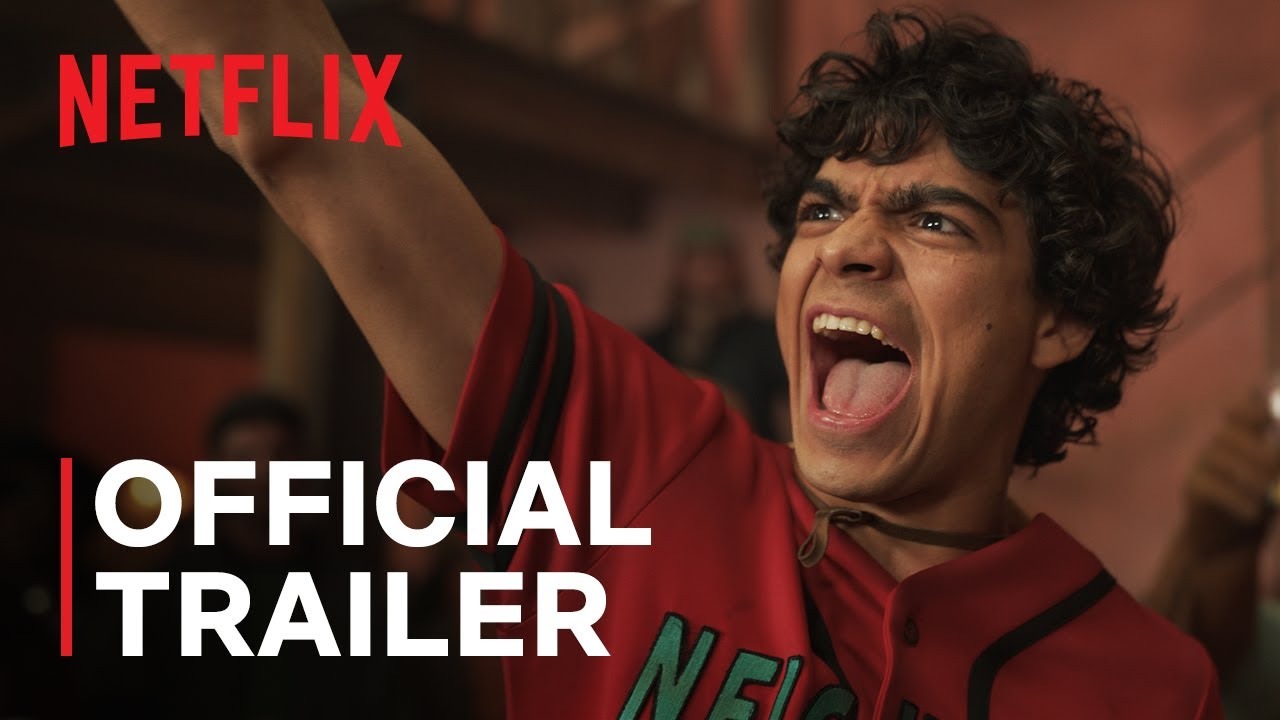
Netflix releases new epic trailer for the second season of Once Piece: Into the Grand Line, premiering on the streamer this March 10th.
Along with the exciting Season 2 trailer, a series of 13 global fan screenings and activations were announced, inviting fans to come sail away with the Straw Hat pirates for their own Journey to the Grand Line ahead of the March 10 premiere.
The 13 global events will take place across the following dates and locations:
Netflix’s epic high-seas pirate adventure, ONE PIECE, returns for Season 2—unleashing fiercer adversaries and the most perilous quests yet. Luffy and the Straw Hats set sail for the extraordinary Grand Line—a legendary stretch of sea where danger and wonder await at every turn. As they journey through this unpredictable realm in search of the world’s greatest treasure, they’ll encounter bizarre islands and a host of formidable new enemies. ONE PIECE is a live action pirate adventure created in partnership with Shueisha and produced by Tomorrow Studios (an ITV Studios partner) and Netflix.
(This is an announcement from Netflix PR. Images and links courtesy of Netflix.)
In a surprise, Netflix today announced a global live event broadcast featuring the phenomenal Kpop band BTS and a documentary of their comeback to boot. ARMY, pay attention.
NETFLIX and HYBE announce global live BTS comeback performance and feature-length documentary
BTS THE COMEBACK LIVE | ARIRANGwill stream live exclusively on Netflix March 21, 2026, at 8 PM KST (4 AM PST / 7 AM EST/ 7PM PhT) from the historic Gwanghwamun in Seoul. This monumental performance celebrates the release of the group’s highly anticipated new album, ARIRANG.
BTS THE COMEBACK LIVE | ARIRANG Streams Live from Seoul, Korea on March 21, 2026
Exclusive Documentary Chronicling BTS’s Return from Acclaimed Director Bao Nguyen on March 27, 2026
Netflix has partnered with HYBE to bring the pop royalty back to the stage for this unprecedented, historic worldwide comeback event. BTS members RM, Jin, SUGA, j-hope, Jimin, V and Jung Kook reunite on the global stage.
This event comes on the heels of the announcement of BTS’ new album and world tour. BTS’ fifth studio album, ARIRANG, is a deeply reflective body of work that explores their identity and roots. After the album release, the band will embark on a massive ARIRANG World Tour (2026–2027), which will span 34 regions and 82 shows across Asia, North and Latin America, Europe, the Middle East, and beyond.
And, because we’re that obsessed, BTS: THE RETURN, a BTS documentary film showcasing the making of their newest comeback album, arrives on Netflix on March 27, 2026.
This feature-length documentary chronicles the long-awaited return of pop royalty, BTS. From acclaimed director Bao Nguyen (The Stringer, The Greatest Night in Pop) and renowned producers, This Machine (Martha, Karol G) and HYBE, the film offers unprecedented access, following BTS as they come back together to begin a reunion set to be etched in pop culture history, while reflecting on the journey that transformed seven Korean members into global icons. Since their debut in 2013, BTS built one of the most devoted fan communities in the world. After completing South Korea’s mandatory military service, the seven members reunite in Los Angeles to make music together, returning to a shared creative space shaped by time apart and personal change. As millions of fans await the comeback of the decade, BTS confronts quieter questions: how to begin again, how to honor the past without being bound by it, and how to move forward together. Through moments of doubt, laughter, and rediscovery, they create new music that reflects who they are now—culminating in what will become a landmark album of its time. Intimate, emotional, and often joyful, BTS: THE RETURN is a story only BTS can tell: a portrait of resilience, brotherhood, and reinvention.
BTS THE COMEBACK LIVE | ARIRANG marks an expansion of Netflix’s live programming, becoming the first-ever live event broadcast from Korea to be livestreamed globally. This latest addition follows a robust lineup of live events, including Skyscraper Live, Star Search, Jake vs Joshua, WWE Raw, NFL Christmas Gameday, Paul vs Tyson, Canelo vs Crawford, Six Kings Slam and much more. Looking ahead, Netflix’s live slate includes MLB games, the FIFA Women’s World Cup, and The Actor Awards.
Addtional information here:
BTS THE COMEBACK LIVE | ARIRANG
Format: Live Special
Premiere Date: March 21, 2026 at 8 PM KST (4 AM PST / 7 AM EST)
Director: Hamish Hamilton
Executive Producers: HYBE, BIGHIT MUSIC, Guy Carrington, Garrett English and Kevin Hermanson
Production Company: Done + Dusted
This is a ticketed event with more information to be shared at a later date.
BTS: THE RETURN
Format: Film
Premiere Date: March 27, 2026
Director: Bao Nguyen
Executive Producers: Mark Blatty, Melissa Robledo, Seonjeong Shin, Nicole Kim, Kyewon Suh, James Shin
Producers: Jane Cha Cutler, Bao Nguyen, R.J. Cutler, Elise Pearlstein, Trevor Smith, Choongeon Lee, Namjo Kim, Se Jun Lee
Production Companies: This Machine, HYBE, EAST Films
(This is a press release from Netflix. Image and logos from Netflix PR)
Apologies in advance if the following review would sound ostentatious, but allow me to attempt to understand the perplexing choices made in the making of this film based on my experiences both professional and personal.
I didn’t like The Thing with Feathers at all. To be fair, this adaptation points viewers to go back to the source material Grief is the Thing with Feathers by Max Porter, as the film tried to process grief and despair without any subtlety or notion of depth. I have yet to read the book. Maybe it would be a more satisfying experience.
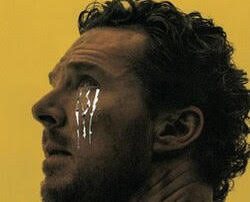
In The Thing With Feathers, Benedict Cumberbatch is Dad – a husband/father who tries, mostly unsuccessfully, to navigate grieving after the loss of his young wife and mother to his young boys (siblings Henry and Richard Boxall.) Each day that passes, he is reminded of how dependent he was towards his wife who raised their children, and and how he just couldn’t cope with his grief and loneliness. So much so that one night, a giant crow (voiced by David Thewlis and performed in costume by Eric Lampaert) knocks on his window and enters his home to pester his feelings and thoughts even more. Basically that is it.
Over plucked acoustic music, the film starts with Hollywood credits of the production stylized over hand sketches of crows to the tune of plucked-strings music. The screen aspect is in 4:3 – something that belongs to the age of film (movies) before HD screens, but there’s no indication that the story told is a period piece. Maybe it’s about being boxed in?
After the credits, story opens to the toll of a church bell, the fluttering of feathers, and a bird’s crow. Death and crows within ten seconds of the film. It cannot be more literal.
Next shot is that of a boy (Boy 2) sleeping on a sofa. Then a shot of the grieving family from behind Dad, his two boys each on either side. It is right after the funeral, they are all in black. At a time of grief, he is not beside them but distant. So far so good – there’s concision in the way the story is being unfolded, although we’ve barely hit the first minute of the film. Sad Dad does tuck the boys in to their beds, so yes, he cares for them deeply.
Next morning, to the tune of The Cure’s In Between Days, Sad Dad struggles to prepare breakfast to start their day. He doesn’t know where things are, there’s no milk in the fridge, and they boys barely listen to his words. He breathes heavily, pressing his head on the cupboard door – usually a depiction of typical motherhood but now it’s Dad. The subtleties of the previous five minutes are gone, just like that. The film mosty gets literal after this, ironic for a film based on poetry.
Based on the 2015 book Grief is the Thing with Feathers by Max Porter which was inpsired by poet Ted Hughes’ lietrary work Crow: From the Life and Songs of the Crow (1970) (futhermore, the title is the mirror opposite of the poem Hope is the Thing with Feathers by Emily Dickinson) director Dylan Southern’s film is an exploration of grief and acceptance by a father and his children who just suffered a devastating loss. An Irish stage adaptation was done in 2018 by Enda Walsh starring Cillian Murphy.
The first half is tonally horror – “grieving widowers and motherless chidren are pure crow” says the crow to Dad. Grief can be tragically horrfic, shattering one’s sense of reality and safety. Some are traumatized intensely, such as what happened to Dad. His visits with a psychiatrist (Leo Bill) as well as from a friend (named Amanda, played by Vinette Robinson) that offer sound, empathetic and positive advise are dismissed (“I’m not sure I want to come to tems with it” “she will come back”.) The crow – half psychologist, half trickster – chides him for wallowing in remorse (“leave me alone crow, I like it”.) Which brings us to a curious line from the crow describing Dad’s character profile how clichéd of a white widower he is. Except for the white widower part, there’s not enough onscreen to indicate a farmer’s market going, Birkenstock-wearing, Barbican white male. Maybe some of it.
This is that part of storytelling where production design supplements the verbal with visual cues. The trickster crow seemingly was insulting and chiding Dad for wallowing while in the comfort of his middle class status. But he doesn’t look comfortable. Middle-class if living in a three-storey seemingy central London neighborhood.
Dad’s overreliance on his wife to raise two growing boys while he holed up in his room illustrating whatever he did as a day job would have probably meant an efficient home designed by a home-maker wife. I’m not asking for additional backstory whether the wife worked or whether she nagged her husband or children. But the house would have had some organization and some color to indicate the the wife was indeed queen of the household. The dark wood and claustrophobic house sure helped the gloom and doom mood of the scenes – but also meant an absence of any female presence even before death. Like it’s just drab. The level of disarray that the house was in in such a short period since her death suggests Dad almost never cooked for his family (not even for a barbecue in the garden during summer?) And leaving pots in the sink meant he never used the dishwasher (nor his kids, who would’ve understood how a dishwasher worked, even if we say Dad was far too depressed to do the dishes.) Middle-class actually meant routines, like putting out the recyclables on recycling day, farmers’ market was every weekend (not at Tesco’s which what the supermaket he went to looked like. Can’t cook, can’t do dishes? He would’ve been buying food from H&M or Waitrose (they have wonderful food) if he actually lived a comfortable middle-class life that the crow snided at him. In the brief time I lived there, I learned that London actually has a class structure, from accents to where you bought your groceries from. His wife would’ve worked, schooling the children would have been expensive even though they went public (they didn’t go in uniforms.)
Prior to the crow’s line about the grieving white widower, the film was okay. The crow was a monster menacing a grieving English family. But the line just confused me whether the makers understood this very text that they’ve included in the film. As almost any book can be impossible to literally adapt onscreen one hundred percent, the successful ones always boil down to what choices the filmmakers made to adapt the source. Barbican? That would have suggested an academic family, his boys privately-schooled, and less clueless. The snide wouldn’t have worked at Dad if they were all false. Was it sarcasm then? Dad couldn’t have cared less.
The manner by which he was portrayed, Dad is a cypher, not a real urban person from the UK that says yes this is a real person with real feelings, rather his feelings (outright or suppressed) verbalized by the crow are just bullet points from a psychologist that no longer bears any sense of poetry. The crow it seems is Dad’s subconscious reified. That memory sequence seeing his dead wife on the snow wasn’t a statement against religion or something deeper, it was to say her death had become a burden – a cross – that he had to contend with. Nothing deeper than the despair Dad is wallowing in.
To be fair (again) Cumberbatch does excellently as a husband and father refusing to let go of his beloved. He would have enjoyed filming that drunken scene where in a paroxysm of despair and inebriation, he childishly calls out “I want her back!” before the crow possesses him. Impressive exhibition of acting.
Making the first half of the film tonally horrific was a choice. Making the other half the crow’s psychotherapy of Dad and his sons – but at the same time muffling the crow’s voice – was a choice. Filmmaking involves making choices, and this is one result of those choices. Maybe it worked for the makers.
Efforts were made to keep this production net-zero emissions, which is commendable. However, judging by the way creative decisions may have been made in the making of this film, I have some concern over Cumberbatch the producer (as “a” producer, whose part of the job is to look at the big picture of the picture.) Surely at some point he would have wondered about the inconsistent tone, the imbalance of character edits and the just the lack of layers in the narrative. The director Dylan Southern has the technical aspects covered. He is skilled, granted. We just need more poetry in the film as book is literally that.
It’s a case of almost there but not quite; half-wrong but also half-right. Overall it’s an honest, earnest effort to translate to the screen what was already reified by the book, minus the poetry.
The Thing With Feathers is now showing exclusively in Ayala Malls Cinemas nationwide.
Over the weekend, Amazon MGM and Sony Pictures dropped the teaser trailer of the newest live-action adaptation of the 1980s hit cartoon-slash-tv-ad-for-Mattel-toys Masters of the Universe. Pumped by nostalgia, the trailer received overwhelming online chatter among Gen Xers (my age group) and moderate to confused reactions from younger audiences. Maybe time will tell.
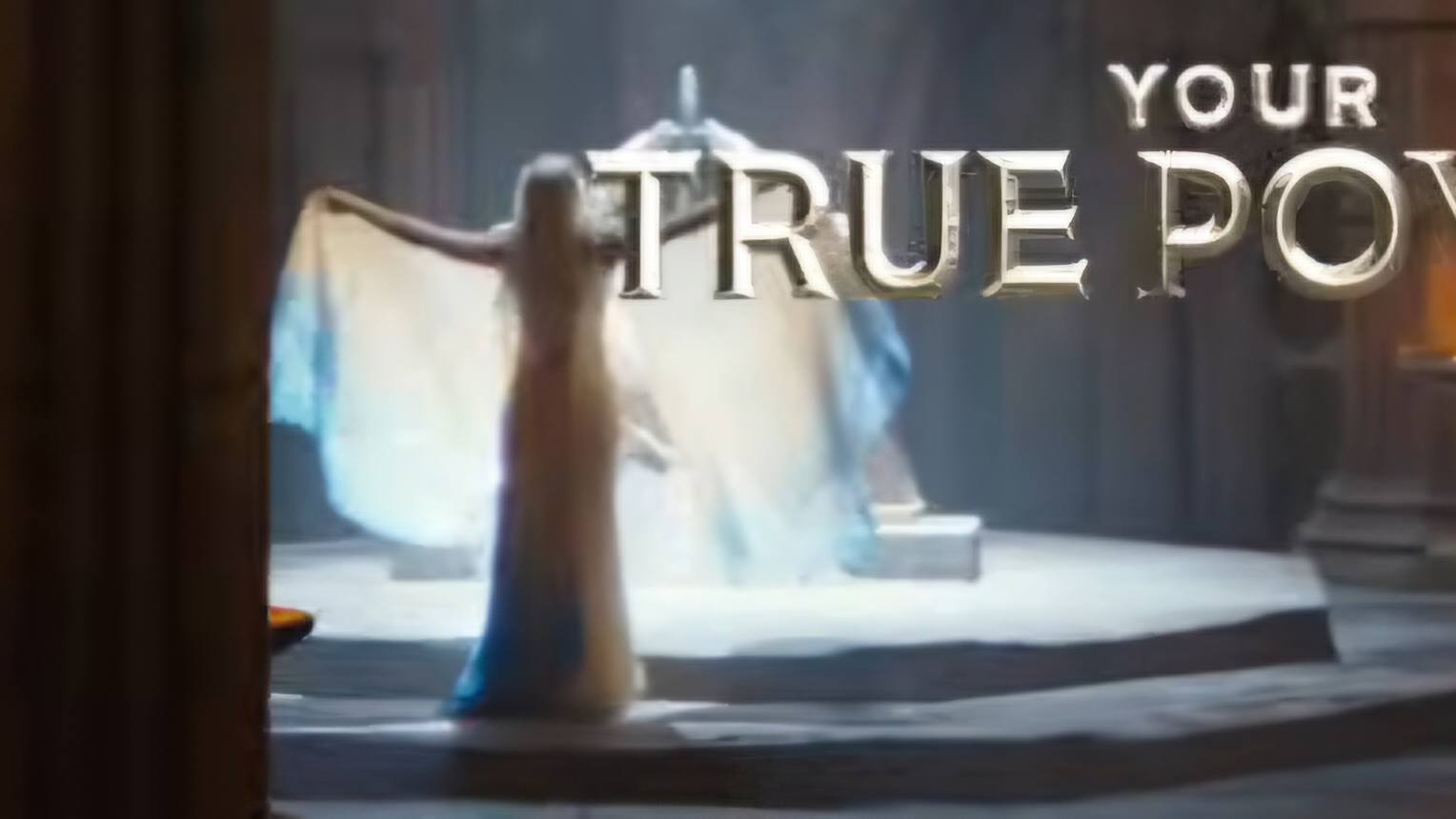
As for me, I was sleuthing for one particular character whom I thought was missing from the trailer (not Arto!) I received a reply from a Threader and indeed, found the Sorceress of Castle Grayskull hiding in two shots.
Here is the official blurb from studio publicity:
In MASTERS OF THE UNIVERSE, Director Travis Knight brings the legendary franchise back to the big screen in this epic live-action adventure. After being separated for 15 years, the Sword of Power leads Prince Adam (Nicholas Galitzine) back to Eternia where he discovers his home shattered under the fiendish rule of Skeletor (Jared Leto). To save his family and his world, Adam must join forces with his closest allies, Teela (Camila Mendes) and Duncan/Man-At-Arms (Idris Elba), and embrace his true destiny as He-Man — the most powerful man in the universe.
Starring Nicholas Galitzine Camila Mendes Alison Brie James Purefoy Morena Baccarin Jóhannes Haukur Jóhannesson Charlotte Riley Featuring Kristin Wiig as the voice of “Roboto” with Jared Leto and Idris Elba
Directed by Travis Knight
Masters of the Universe will be powering through cinemas worldwide this June.
Didn’t enjoy this at all. Caught the press screening of The Thing With Feathers and i didn’t like it at all. To be fair, this adaptation points the audience to go back to the source material by Max Porter, as the film tried to process grief and despair without any subtlety or notion of depth. Maybe the book is more satisfying. Review later on tbis week.
But the film opens January 28 exclusively in Ayala Malls Cinemas.
I was in film school when Fellowship was released. It had a profound influence on me as I became a filmmaker and storyteller eventually.
Just came from the theater seeing The Fellowship of the Ring Extended Edition on the occasion of its 25th Anniversary.
First time seeing the Extended Edition in a cinema, 23rd time seeing Fellowship in a cinema (i told you I was in film school when it came out. I watched it almost every night before going home) nnth time seeing Fellowship overload, have lost count how many times I’ve seen it in theater, on DVD and on streaming.
What an animal! I certainly did not expect this one coming. From the trailer, I was ready to dismiss Primate as a pre-prequel to Planet of the Apes with a teen slasher bend. I was kind of half-wrong. I’m sure a lot of people thought similarly before they saw Scream in 1996, right? B-movie slashers can be lots of fun to watch when done right. Primate qualifies for that. Bring your gang along and scream your lungs out together.
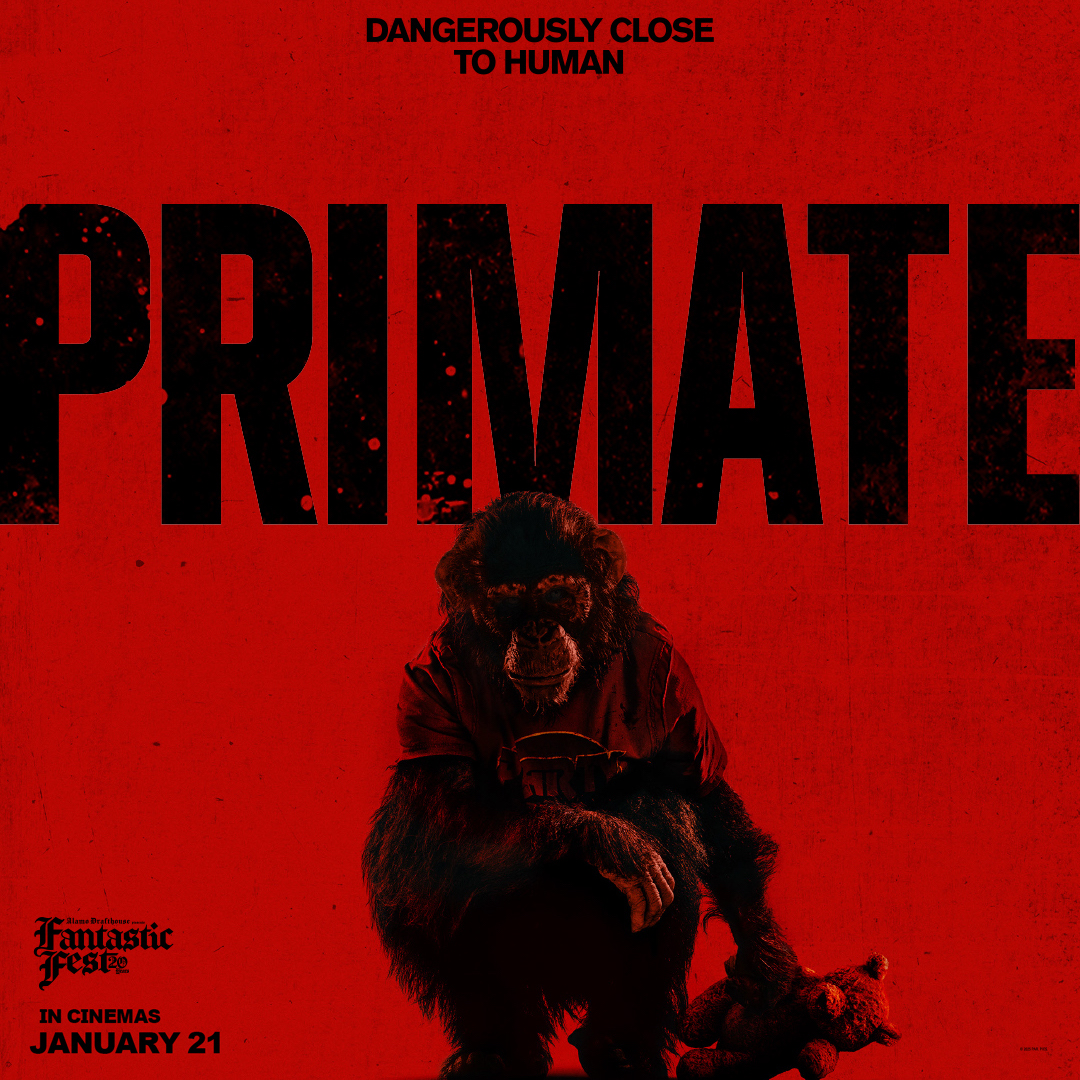
Primate refers to Ben (motion captured from Miguel Torres Umba), the pet chimpanzee of the Pimberboughs, a family of academics from Hawaii. From the credits we are told that Mrs. Pimberbough who trained Ben has already passed away due to cancer, and Ben is left in the tender care of Adam (Troy Kotsur) and his daughters. The movie opens with information about hydrophobia, aka rabies, and after a gruesome first scene with Ben and a vet, we understand that Ben has contracted rabies.
For summer break, Lucy (Johnny Sequoyah) comes home to Hawaii to her father Adam and younger sister Erin (Gia Hunter.) Lucy has brought along her best friend Kate (Victoria Wyant), Kate’s friend Hannah (Jess Alexander.) At the airport, Kate’s brother Nick (Benjamin Cheng) picks them up. For dynamics, we have Lucy who is kind of into Kate’s brother, who has nothing on Lucy but maybe something on Hannah who Lucy isn’t really close with. Sounds like a teen movie, barks like a teen movie. Nothing wrong so far.
Pretty soon, Ben is displaying the symptoms of his infection: distress, aversion towards water, and more than the usual dislike to strangers. Hannah in particular isn’t comfortable with Ben. Adam is the first to discover this unusual behavior, but dismisses it. He says he’ll call the vet to look at Ben’s wound. Things don’t go well when the vet does arrive, circling back to the film’s opening scene. And it’s alsmost non-stop thrill from here onwards.
Jessica Alexander as “Hannah” and Miguel Torres Umba as “Ben” in Primate from Paramount Pictures.
Victoria Wyant as “Kate” and Johnny Sequoyah as “Lucy” in Primate from Paramount Pictures.
Johnny Sequoyah as “Lucy” in Primate from Paramount Pictures.
Director Johannes Roberts in Primate from Paramount Pictures.
Troy Kotsur as “Adam” and Gia Hunter as “Erin” in Primate from Paramount Pictures.
Johnny Sequoyah as “Lucy” in Primate from Paramount Pictures.
Johnny Sequoyah as “Lucy” and Director Johannes Roberts in Primate from Paramount Pictures.
Victoria Wyant as “Kate”, Jessica Alexander as “Hannah”, Gia Hunter as “Erin”, and Johnny Sequoyah as “Lucy” in Primate from Paramount Pictures.
Can’t blame me for thinking Planet of the Apes, since Ben’s facial expressions have some similarities with Cesar. Thanks to the Andy Serkis school of ape motion capture plus really good CGI at this point, Ben looks truly immersed in his scenes, interacting with the human actors.
The story about an animal infected with rabies going feral against its humans is smack reminiscent of the Stephen King thriller Cujo, about a pet dog that goes rabid, adapted into film back in 1983. I didn’t get the Cujo vibes from the trailer since there was no mention of rabies in it. While this may suggest a lack of originality from its premise, Primate feels fresh because it’s been that long since such a story was told. Maybe because, as the movie says, rabies has been eliminated (in Hawaii, but definitely not yet in places like the Philippines.) Plus Ben uses a gadget to talk back to his humans, which he uses with dreadful effect later on in the movie.
Primate calls back to several other past thrillers in the course of the story. Its impressive use of practical effects harken to John Carpenter body-horror effects – twisted, bloody, bone-crunched mounds of flesh and organs that the rabid chimp seem to easily tear away from his hapless victims. One scene called back to “Here’s Johnny!” in Stanley Kubrick’s The Shining, when Ben looked through the cracks of a broken closet door as he hunted for his next victim. The call backs are there if you remember them, but they never take you away from watching every scene. Mindful filmmaking.
Speaking of mindful, I’m much pleased that the filmmakers included within the story a Deaf character, played perfectly by Kotsur. We normies take for granted that movies are a visual medium, almost completely shutting off people with visual impairments or in a spectrum (have you ever experienced watching in a theater and a person behind you was narrating the movie blow-by-blow like a boxing match? I have. More often than not, it was because the narrator was trying to share the movie experience with a person with a disability who probably wanted to experience what we normies experience through narration and sound.) My point here is that the filmmakers of Primate, whether early in the scripting stage or by a stroke of genius when they casted Kotsur, decided to make a deaf person an integral part of the story. Not perfunctory ASL from the normie cast because Ben the trained chimp communicates through ASL, but because a family member actually communicates through ASL and therefore a good portion of the film uses ASL. I hope that makes sense. Let’s not forget that film started without sound, and talkies only came after?
In this instance, too, that the film is also cleverly built up for a soundless climax that hits the high notes of thrill perfectly – also a slight nod to a similar tense sequence from David Fincher’s Panic Room (2002.) Because of this clever use of (no) sound design, I’m confident to recommend Primate to people who are D/HH (deaf and hard of hearing).
Who tf is Johannes Roberts and where did this director come from? (His previous credits are 47 Meters Down (2017) and Resident Evil: Welcome to Racoon City (2021.) So he’s no stranger to horror and thriller films) Such meticulously-constructed scenes from the previously-mentioned sound design, to cinematography, to the pervasive use of body-horror practical effects, carefully- and intentionally- framed and choreographed shots that seem to say this was a work of passion, that the filmmakers – the entire cast and crew – brought their vision to a thrilling success, regardless of boxoffice outcome. Seriously loads of horror fun. Top marks in all aspects of filmmaking. Best enjoyed screaming in a theater full of other screaming people.
Primate is out in Philippine cinemas January 21st from Paramount Pictures.
(Trailer link from Paramount Pictures Philippines. Images courtesy of Paramount Pictures International.)
There is consensus among visitors of Japan that it is a wonderful place for tourists and travelers, but not an ideal place for gaijin (foreigner) to live in. More than just getting lost in translation, the Japanese are a homogenous society wtih an unease towards non-Japanese.
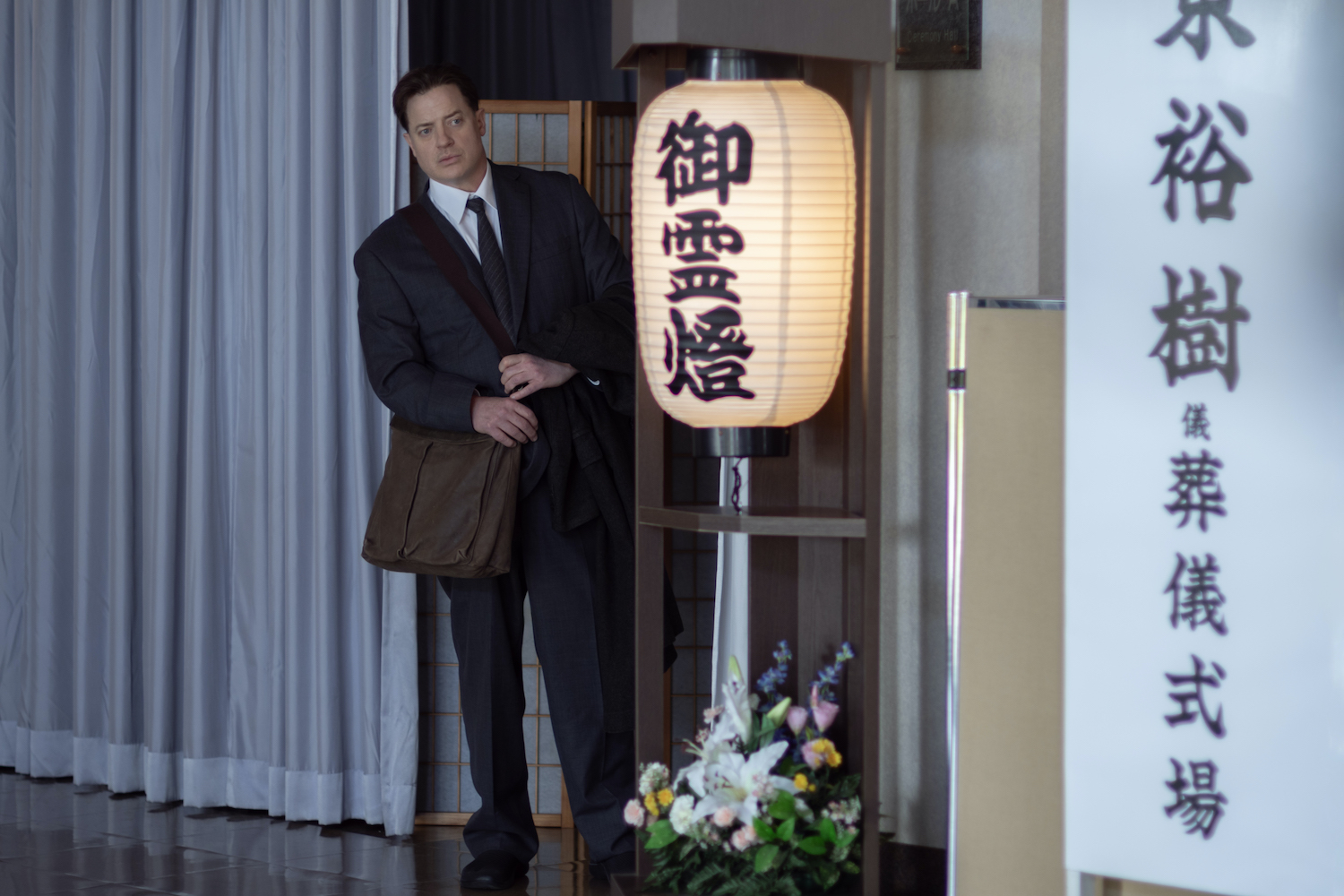
Phillip (Brendan Fraser) is such a sample. Even after staying in Japan for seven years and speaking generally fluent Nihongo, he barely has local friends and still gets stumped over local customs that he would have just encountered. Working on-and-off as an English tutor and a bit playing actor, Phillip goes from one racket to the next seemingly in a constant effort to get by. I kind of relate with him as a freelancer. But there’s one racket in particular that he is waiting for the news of – to join the regular cast of a Korean television series. For Phillip who has called the place his home, that would mean sayonara Japan.
A gig that asked for the services of a “sad American” introduces Phillip to Tada (Takerhiro Hira) who owns a rental family business that offers stand-in roles to people in need of specific company. Phillip is hesitant at first, and one of the actors in the agency, Aiko (Mari Yamamoto) is skeptical of Phillip’s commitment.
He almost flubs his first assignment, on account of the pretend groom (Phillip) getting the butterflies minutes into the ceremony to help a young woman (Yoshie, played by Misato Morita) “legally” be set free from her family. He thinks the lies will ruin the family, but Aiko smacks him into his practical senses.
Phillip pushes through with the grand traditional wedding (so elegant in traditional vestments and in a garden, to boot.) At the end of it, we get a glimpse of why the bride had to go through the charade, and Phillip gets a glimpse of why their service exists. The naturally charming, soft-spoken gaijin gets more assignments.
Phllip becomes the returning estranged father to Mia (Shannon Mahina Gorman), a journalist to hear the tales of Kikuo (Akira Emoto), the veteran screen actor whose memory is failing, a cheerleader in a karaoke party for mid aged woman, a video game buddy for a loner. In between these assignments, Phillip is shown enjoying himself, enjoying what he does, until it was obvious that the longer he interacted with his subjects, the more attached he became to them. Totally human, but crossed the agency rules of engagement. By this time, halfway into the movie, Phillip has been transformed from the timid gaijin who hardly interacted with any local at all into the bubbly gentle giant that’s friends with all around him. Not even the call to say that he got the acting gig in Korea would change his mind. This decision to stay would have repercussions (“consequences” sounds too harsh. It’s a Disney movie) that Phillip clearly wasn’t prepared for. Congratulations, Phillip, you are now a rental guy.
Rental Family is writer-director Hikari’s only second full feature outing, but she is displaying maturity in keeping what’s essential on screen as opposed to putting in too much of what may have been written on the page. There are many moments that both comedy or the dramatization could have suffered wtih wayward storytelling or bad editing. Despite being an enseble effort (more on this later), the story is kept within Phillip’s continuing struggles in Japan.
There’s a lot of inserts of Tokyo that almost give the film a slice of life feel (drunk sleeping in the trains, cooking your own food in a restaurant) that makes me think the film was intentionally tailored for the non-Japanese watcher. Nothing too foreign like, say, fishing tiny fish using paper nets in a matsuri (festival,) or sorting your trash into four main types as required by law. Surely you’ve heard of that guy in Japan who gets hired to do nothing? Phillip should have. There’s shots of Mout Fuji, of the infamous train stations, a scene of a festival (matsuri, usually summer) but not necessarily talking about what the festival is about, sakura (cherry blossoms) along the Meguro (which should mean spring, but it’s a scene after the matsuri? That confused me a bit, knowing the seasons in Japan.) No judgment too, that Phillip gets occasional comfort and companionship from another person-for-hire Lola (played by Tamae Ando.) Fact of life. The film has just enough Japanese vibe for those who are both new and seasoned visitors to Japan to be authentic about it, without overwhelming the audience or being orientalist.
Credit to the entire cast for an easy watch of what could have been emotionally distant characters who wouldn’t have felt like a new family for Phillip. I thought I recognized Takehiro Hira from the wildly popular Shōgun (as one of the five Regents, Ishido who was Toranaga’s chief rival) while both Hira and Mari Yamamoto appeared in AppleTV’s Monarch: Legacy of Monsters. To Fraser’s Phillip add the talented Shannon Mahina Gorman and the smart and inquisitive Mia and Akira Emoto as the veteran actor Kikuo and you’ve got a full ensemble of charming people to relate to.
Each night before he goes to sleep, Phillip looks out the window to catch glimpses of his neighbors – in a non-voyeuristic, non-thriller kind of way but reminiscent of Hitchcock’s Rear Window – as a foreginer who has lived long enough to live among the locals, but still too foreign to understand what goes on in every window that he looks through. These are small moments that neither adds to plot or character, things that a Hollywoof filmmaker would have otherwise justified in keeping, but sticks as a reminder that there are quiks or elements (not necessarily uniqueness) in Asian cinema that convey in small ways our sentimentality, our perspective in grasping the human commune that sometimes are just different from Western cinema. It’s not about honesty. More about tenderness. I am reminded of the Oscar-winning Departures (Okuribito) from 2008 which explored the peculiarities surrounding death and mourning in Japan. While this isn’t the case in Rental Family, we get a glimpse of loneliness and longing in a place that is familiar yet strange, modern yet traditional, youthful as well as aging, through the eyes of a non-local who is trying his best to absorb it all.
Rental Family is a touching and heartfelt exploration of human connections no matter the differences. A grounded, feel-good story for and about found families with a fantastic ensemble cast led by Brendan Fraser’s unassuming performance.
Some themes and scenes would need parental guidance, otherwise this is charming enough as a family movie.
Rental Family will be shown exclusively in Ayala Malls Cinemas beginning January 21.
Just came from the local press screening of Rental Family. I thought it was a touching and heartfelt exploration of human connections no matter the differences. Fantastic ensemble cast led by Brendan Fraser’s unassuming performance. A feel- good story for and about found families. Review next week. Shows exclusively jn Ayala Malls Cinemas January 21st in the Philippines.
Just came from the local press screening of Johannes Roberts’ thriller Primate and I enjoyed it a lot! Top marks in all aspects behind its filmmaking. Review next week. In Philippine cinemas January 21st.